Table of Contents
- 1. Why Packaging Design Matters
- 2. Elements of Packaging Design That Influence Buying Decisions
- 3. Psychological Principles Behind Packaging Design
- 4. Packaging Design in Retail vs. E-Commerce
- 5. Case Studies: How Packaging Design Drives Consumer Behavior
- 6. How Packaging Design Influences Consumer Buying Decisions
- 7. Tips for Optimizing Packaging Design to Boost Sales
- 8. Future Trends in Packaging Design
- 9. The Bottom Line
In the fast-paced world of retail and e-commerce, first impressions matter more than ever. Consumers are constantly exposed to a plethora of products, all vying for attention. In such a competitive environment, packaging design is not just a container—it is a powerful marketing tool that influences consumer behavior and purchasing decisions. This comprehensive guide explores how packaging design influences consumer buying decisions, covering psychological principles, design strategies, real-world case studies, and actionable tips for brands.

1. Why Packaging Design Matters
Packaging is the first physical touchpoint between a brand and the consumer. According to industry research, over 70% of purchasing decisions are influenced by packaging, demonstrating its critical role in the buying process. Good packaging design:
-
Captures attention on crowded shelves or online platforms.
-
Communicates product quality and brand identity.
-
Enhances usability, convenience, and perceived value.
-
Creates emotional connections that foster loyalty.
Packaging design serves both functional and emotional purposes, bridging the gap between a product’s physical attributes and the consumer’s perception of the brand.
2. Elements of Packaging Design That Influence Buying Decisions
Several design elements significantly affect consumer perception and purchasing behavior:
2.1 Color Psychology
Colors evoke emotions, signal product categories, and guide consumer attention:
-
Red stimulates appetite and creates urgency (popular in food packaging).
-
Blue conveys trust, reliability, and calm (common in beverages and electronics).
-
Green represents health, sustainability, and natural products (ideal for eco-friendly brands).
-
Gold and Silver indicate luxury and exclusivity (high-end cosmetics and gifts).
Choosing the right color palette enhances shelf visibility and strengthens brand recognition.
2.2 Typography and Messaging
Typography communicates brand personality and product benefits:
-
Clear and readable fonts improve cognitive fluency.
-
Bold typefaces convey confidence and authority.
-
Fun or playful fonts appeal to younger audiences.
-
Highlighting key messages (organic, gluten-free, cruelty-free) builds trust and encourages purchase.
Typography combined with concise messaging ensures consumers quickly understand the product’s value proposition.
2.3 Shape and Structure
Unique packaging shapes attract attention and influence tactile perception:
-
Ergonomic designs improve convenience (easy-pour bottles, resealable pouches).
-
Distinctive shapes differentiate products on crowded shelves.
-
Minimalist geometric designs convey modernity and premium quality.
Tactile interactions, such as the feel of a textured box or smooth bottle, can subconsciously influence purchase decisions.
2.4 Materials and Sustainability
Material choice affects both perception and consumer trust:
-
Eco-friendly materials appeal to environmentally conscious consumers.
-
Premium materials such as soft-touch laminates or textured papers convey luxury.
-
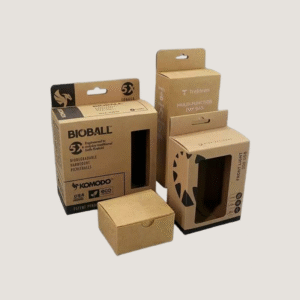
Transparent windows allow customers to inspect the product before purchase, increasing trust.
Brands using sustainable packaging can strengthen their image and attract a loyal customer base.
2.5 Visual Hierarchy and Imagery
Effective visual hierarchy guides attention to critical information:
-
Prominent display of brand logos and product names enhances recognition.
-
High-quality images showcase product usage and lifestyle context.
-
Certifications, badges, and icons communicate quality, safety, and ethical standards.
By directing attention strategically, visual hierarchy reduces consumer decision-making time and improves perceived value.
3. Psychological Principles Behind Packaging Design
Packaging design leverages multiple psychological principles:
3.1 Color Psychology
Colors influence mood, perception, and behavior. Warm colors evoke excitement, while cool colors promote trust and calmness.
3.2 Perceived Value
Premium materials, clean layouts, and innovative structures increase perceived product value, often leading to higher willingness to pay.
3.3 Cognitive Fluency
Simple, clear, and understandable packaging reduces mental effort, making consumers more likely to select a product.
3.4 Social Proof and Credibility
Awards, certifications, or endorsements printed on packaging enhance credibility and reassure consumers about quality and safety.
4. Packaging Design in Retail vs. E-Commerce
4.1 Retail Packaging
In physical retail:
-
Packaging must stand out on shelves.
-
Tactile elements like embossing, foil, or die-cut windows increase attention.
-
Information should be quickly digestible, as in-store decisions are often rapid.
4.2 E-Commerce Packaging
In online shopping:
-
The unboxing experience is key to brand perception.
-
Packaging must be protective yet visually appealing.
-
Sustainable materials are increasingly valued for shipping purposes.
Whether in-store or online, cohesive packaging design reinforces brand identity and consumer trust.
5. Case Studies: How Packaging Design Drives Consumer Behavior
5.1 Apple
Apple’s minimalist packaging communicates premium quality and sophistication. Every detail—from box thickness to product alignment—creates anticipation and reinforces brand value.
5.2 Coca-Cola
The signature red and white bottle design triggers instant recognition and evokes positive emotions, encouraging repeat purchases globally.
5.3 Lush Cosmetics
Lush uses eco-friendly packaging with vibrant colors and playful typography to appeal to conscious, environmentally aware consumers.
5.4 Luxury Chocolates
Premium chocolate brands use textured boxes, foil stamping, and velvet inserts. These designs elevate perceived value and transform the purchase into a gifting experience.
6. How Packaging Design Influences Consumer Buying Decisions
-
Attention and Attraction: Unique colors, shapes, and finishes attract consumer attention on crowded shelves.
-
Trust and Credibility: Transparent windows, certifications, and high-quality materials reassure consumers.
-
Perceived Quality: Premium finishes and structural integrity signal high value, often allowing higher pricing.
-
Convenience and Functionality: Ergonomic and reusable designs improve usability and encourage repurchase.
-
Emotional Connection: Storytelling through packaging evokes feelings of happiness, excitement, or luxury, strengthening brand loyalty.
Every element, from color to material, works synergistically to influence buying behavior.
7. Tips for Optimizing Packaging Design to Boost Sales
-
Know Your Audience: Tailor designs based on demographics, lifestyle, and buying behavior.
-
Highlight Brand Values: Clearly communicate quality, sustainability, or premium attributes.
-
Prioritize Functionality: Ensure easy handling, storage, and usability.
-
Invest in Premium Materials: Use textures, laminates, and structural enhancements wisely.
-
Leverage Visual Hierarchy: Place essential product information where it’s most visible.
-
Test and Iterate: Conduct focus groups, surveys, and A/B testing to optimize design.
-
Emphasize Sustainability: Eco-friendly packaging influences purchasing decisions positively.
-
Incorporate Multi-Sensory Experiences: Sight, touch, and even sound can reinforce perceived value.
By following these strategies, brands can turn packaging into a powerful conversion tool.
8. Future Trends in Packaging Design
-
Smart Packaging: QR codes, NFC tags, and augmented reality for interactive experiences.
-
Sustainable Materials: Biodegradable, compostable, or reusable materials will dominate.
-
Personalization: Tailored packaging based on consumer preferences enhances engagement.
-
Minimalist Design: Clean aesthetics emphasize quality and sophistication.
-
Functional Packaging: Multi-use designs improve practicality and sustainability.
Brands embracing these trends will influence consumer buying behavior more effectively and strengthen long-term loyalty.
9. The Bottom Line
Understanding how packaging design influences consumer buying decisions is essential for modern brands. From first impressions to unboxing experiences, well-designed packaging communicates quality, builds trust, and drives purchasing behavior. Brands that invest in thoughtful design—considering colors, materials, structure, sustainability, and usability—can differentiate themselves, enhance brand perception, and increase sales.
In today’s crowded marketplace, packaging is no longer just a protective layer—it is a strategic marketing tool. By focusing on design that resonates emotionally and functionally, brands can turn consumers into loyal advocates.
The ultimate takeaway: Packaging is not just about holding a product—it is about telling a story, creating value, and influencing consumer decisions at every touchpoint.