Table of Contents
In today’s competitive retail and e-commerce landscape, consumers make purchasing decisions within seconds. Visual impact, product transparency, and brand trust play an increasingly important role in whether a shopper stops, clicks, or buys. Among the countless packaging styles available, one design has consistently stood out for its simplicity, effectiveness, and remarkable conversion power: the box with a window.
From bakeries and beauty brands to toy companies and premium gift sets, businesses around the world are turning to window boxes as a strategic tool to improve product visibility, enhance customer confidence, and elevate the overall unboxing experience. In this detailed guide, we explore why this packaging structure has become so popular, where it performs best, and how you can design a window box that truly works for your brand.
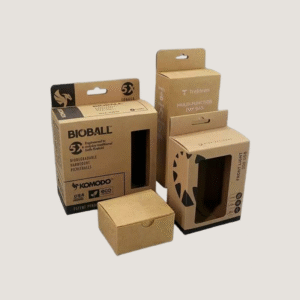
What Is a Box With a Window?
A box with a window is a paperboard or corrugated box that features a transparent cut-out area—usually made of PET, PVC, or biodegradable film—allowing customers to see the product inside without opening the package. Window boxes come in many styles, including:
-
Single-side window
-
Multi-side or panoramic window
-
Top window
-
Die-cut custom window shapes
-
Window with insert trays
-
Window on drawer-style or rigid gift boxes
The primary purpose of this design is simple: show the product clearly and instantly. In an era where authenticity and visual verification matter more than ever, this feature is a marketing advantage by itself.
Why Box With a Window Is So Popular
1. Instant Visual Appeal
Humans are visual creatures. Studies show that packaging visibility directly influences perceived product value and purchase intention. When customers can see the product—its color, texture, shape, and real-life features—they can make faster decisions with more confidence.
A box with a window works almost like an in-store display case, but in a portable, affordable format.
2. Boosts Consumer Trust
E-commerce shoppers often worry about receiving something different from what they expected. Window packaging reduces that concern:
-
No hidden surprises
-
True-to-life appearance
-
Transparent quality demonstration
In physical retail, it also helps shoppers compare products side-by-side without opening the packages.
3. Enhances Unboxing and Brand Experience
Unboxing has become a brand moment, especially on social media. Window boxes add a layer of anticipation—customers can already see the product before opening the lid, tray, or folding panel. This creates a more premium, curated feel, especially for:
-
Cosmetics
-
Gift sets
-
Handmade items
-
Toys and collectibles
-
Food and bakery items
4. Perfect for Both Retail and E-commerce
Unlike many packaging structures that work better in one channel, the box with a window performs well in all environments:
-
Retail: attracts attention on shelves
-
Online: reduces returns and increases pre-purchase confidence
-
Events & gifting: adds charm and presentation value
Its versatility is one reason brands adopt it across entire product lines.
Industries That Benefit Most From Window Packaging
Although window boxes work across nearly every category, some industries see exceptional results.
1. Food & Bakery
Food is inherently visual. Window boxes for cookies, desserts, snacks, or chocolates help:
-
Showcase freshness
-
Highlight texture and color
-
Transfer cooking aromas visually
-
Build credibility for handmade goods
Most bakery products sell significantly better in window packaging because consumers trust what they can see.
2. Beauty & Personal Care
Items such as:
-
Beauty sponges
-
Soaps
-
Skincare sets
-
Makeup tools
-
Hair accessories
look more appealing when displayed through a clear window. In cosmetic packaging, appearance plays a major part in purchase decisions, making transparency an advantage.
3. Toys & Children’s Products
Parents and children prefer packaging where they can see the product immediately. Toys with multiple components, bright colors, or unique shapes especially benefit from window visibility.
4. Fashion Accessories
Window boxes work beautifully for:
-
Socks
-
Tie sets
-
Jewelry
-
Small leather goods
-
Handmade crafts
The packaging becomes part of the product story.
5. Gift Items & Seasonal Products
Festive and gift products often focus on creating emotional value. Window boxes:
-
Elevate presentation
-
Highlight premium features
-
Match seasonal themes with custom shapes
-
Increase perceived value
They are also ideal for Valentine’s Day, Christmas, Mother’s Day, and event-driven gifting.
Designing an Effective Box With a Window
A window box is more than a hole cut into paper—it’s a strategic packaging structure. Here’s how to design one that works for brand, product, and logistics.
1. Choose the Right Materials
The base material influences stability, printing, and cost. Popular choices include:
-
White cardboard – clean colors, crisp printing, ideal for retail display
-
Kraft paper – natural, eco-friendly, great for handmade/organic products
-
Corrugated cardboard – stronger protection for shipping or heavier items
-
Rigid cardboard – premium feel, ideal for luxury gift boxes
Material thickness should match product weight.
2. Select the Best Window Film
The window film impacts clarity, sustainability, and budget.
-
PET — high transparency, recyclable, best overall option
-
PVC — economical but not environmentally friendly
-
PLA/Biodegradable film — eco-focused brands
-
No film (open window) — more sustainable but less protective
For food packaging, PET is often preferred due to safety and clarity.
3. Optimize Window Shape and Placement
The window should showcase the product’s strongest visual angle. Consider:
-
Center placement for simple, symmetrical products
-
Side window for longer items
-
Custom die-cut shapes (heart, circle, star) for gifting
-
Multi-side windows for 3D items like toys or plush
Creativity in window design enhances memory and shareability.
4. Balance Beauty with Structural Strength
Cutting a window reduces paper surface area, so reinforcement is important:
-
Thicker material
-
Narrower window borders
-
Film reinforcement
-
Stronger panel folding
For heavier products, corrugated material or double-layer structures are recommended.
5. Add the Right Finishing Touches
Surface finishes increase emotional appeal and professionalism:
-
Matte or gloss lamination
-
Soft-touch coating
-
Spot UV
-
Gold or silver foil
-
Embossing/debossing
-
Textured patterns
Window boxes look even more high-end when paired with minimalistic design and selective finishing.
Environmental Considerations
Sustainability is shaping the future of packaging. When designing a window box:
-
Ask for recyclable PET film
-
Reduce unnecessary window size
-
Use FSC-certified paper
-
Consider biodegradable film alternatives
-
Optimize box dimensions to reduce transport waste
A box with a window can be eco-friendly when thoughtfully engineered.
How Window Packaging Impacts Conversion
Modern brands increasingly choose window boxes because they improve measurable results:
✔ Higher add-to-cart rate
Real-life product visibility inspires confidence.
✔ Lower return rate
Customers know exactly what they’re buying.
✔ Stronger brand impression
Design storytelling + real product = emotional impact.
Window boxes photograph well and enhance unboxing videos.
✔ Better shelf performance in retail
Consumers gravitate toward packaging that reveals truth.
A simple window can directly drive sales and improve brand perception.
Conclusion: Why Box With a Window Will Stay in Demand
The box with a window is not just about aesthetics—it is a thoughtful packaging strategy built on transparency, product confidence, and visual storytelling. As consumers demand more honesty from brands and as e-commerce accelerates the need for realistic product expectations, window packaging remains one of the most effective ways to close the gap between digital browsing and physical experience.
Whether you’re a food brand showcasing fresh baked goods, a cosmetic company selling colorful beauty tools, or an online merchant looking to build trust, a window box may be one of the most impactful packaging upgrades you can make.
If your product has visual appeal,
your packaging should, too—
and nothing showcases it better than a well-designed box with a window.