Table of Contents
- Introduction: Sustainability as a Strategic Advantage
- 1. Eco-Friendly Materials Take Center Stage
- 2. Minimalist Design for Sustainability
- 3. Smart Packaging Integration
- 4. Regulatory Compliance and Eco-Standards
- 5. Consumer-Centric Sustainability
- 6. Circular Economy Practices
- 7. Industry-Specific Sustainability Trends
- 8. Sustainable Printing & Finishing Techniques
- 9. Measuring Sustainability Performance
- 10. Better Packaging: Your Partner in Sustainable Solutions
Introduction: Sustainability as a Strategic Advantage
Sustainability has evolved from a niche concern to a strategic imperative for brands. In 2026, consumers demand eco-friendly packaging that aligns with their values. Brands adopting sustainable packaging solutions reduce environmental impact, improve brand perception, drive loyalty, and meet regulatory requirements.
For B2B companies targeting the US and European markets, staying ahead of these trends is essential to maintain competitiveness and appeal to eco-conscious buyers.
This guide explores the top sustainable packaging trends for 2026, providing actionable insights for product managers, brand owners, and packaging decision-makers.

1. Eco-Friendly Materials Take Center Stage
Sustainable materials are dominating packaging strategies in 2026. Key options include:
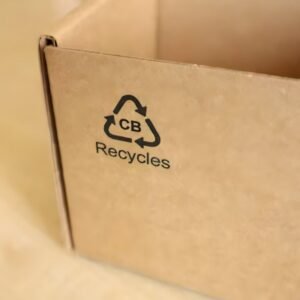
- Recyclable Corrugated Cardboard: Durable, lightweight, and fully recyclable; ideal for shipping and retail display packaging.
- FSC-Certified Paperboard: Demonstrates responsible sourcing and appeals to environmentally conscious consumers.
- Biodegradable Plastics: Used in inserts or protective packaging to reduce traditional plastic footprint.
- Post-Consumer Recycled (PCR) Materials: Incorporating PCR supports a circular economy and lowers environmental impact.
Brands should carefully select materials balancing sustainability, product protection, and cost efficiency.
2. Minimalist Design for Sustainability
Minimalism drives both sustainability and consumer appeal:
- Reduced Ink Usage: Simplified graphics and fewer colors decrease environmental impact.
- Compact Packaging: Optimized shapes reduce material consumption and shipping footprint.
- Reusable and Multi-Use Packaging: Encourages product repurposing, extending packaging lifecycle and enhancing brand loyalty.
A minimalist approach helps brands convey clarity, premium value, and eco-conscious messaging.
3. Smart Packaging Integration
Technology is enhancing sustainable packaging:
- QR Codes for Recycling Instructions: Guides consumers in proper disposal.
- Smart Labels: Track sourcing and material transparency.
- Digital Printing: Enables small-batch production with reduced waste.
Brands merging sustainability with smart technology position themselves as leaders in transparency and innovation.
4. Regulatory Compliance and Eco-Standards
Sustainability increasingly involves legal compliance:
- EU Packaging and Packaging Waste Directive (PPWD): Mandates recyclability and producer responsibility.
- Extended Producer Responsibility (EPR) Programs**: Require brands to manage packaging lifecycle.
- US State-Level Regulations: California, New York, and others enforce recycled content and labeling.
Adopting sustainable packaging ensures brands meet both legal requirements and consumer expectations.
5. Consumer-Centric Sustainability
Consumers actively evaluate brands based on eco-responsibility:
- Material Transparency: Clear sourcing builds trust.
- Minimal Waste Packaging: Avoids overconsumption.
- Eco-Friendly Visuals: Kraft textures, recycled materials, and green labeling reinforce sustainable messaging.
In 2026, many consumers are willing to pay a premium for verified sustainable packaging.
6. Circular Economy Practices
Circular economy strategies redefine packaging:
- Design for Reuse: Packaging repurposed for storage or refills.
- Recyclable Components: Modular designs improve recycling rates.
- Take-Back Programs: Brands collect packaging for recycling or reuse, boosting loyalty.
B2B companies implementing circular economy strategies gain competitive advantage in US and EU markets.
7. Industry-Specific Sustainability Trends
Food & Beverage
- Compostable trays and biodegradable inserts reduce waste.
- Portion-controlled packaging minimizes food spoilage and consumer overuse.
Cosmetics & Personal Care
- Refillable jars and recyclable paperboard boxes.
- FSC-certified materials enhance premium eco-conscious branding.
Cannabis & CBD Products
- Child-resistant yet recyclable boxes, compostable pouches, minimal plastic.
- Compliance-friendly eco-packaging builds consumer trust.
E-commerce & Retail
- Lightweight and recyclable mailer boxes reduce shipping emissions.
- Eco-friendly void-fill and inserts improve customer unboxing experience.

8. Sustainable Printing & Finishing Techniques
Printing choices impact environmental performance:
- Soy-Based & Water-Based Inks: Reduce chemical toxicity.
- UV-Free Coatings: Improve recyclability.
- Embossing & Foil Alternatives: Use minimal metallic elements or recycled foils to maintain premium look sustainably.
Proper printing ensures high-quality branding while reducing environmental footprint.
9. Measuring Sustainability Performance
Brands should track metrics to validate packaging initiatives:
- Material Usage Reduction (%): Measure efficiency improvements.
- Recyclability Rate (%): Percentage of easily recyclable packaging.
- Carbon Footprint: Emissions from production to disposal.
- Consumer Feedback: Survey perception of sustainable efforts.
Monitoring performance ensures ROI on sustainability initiatives and continuous improvement.
10. Better Packaging: Your Partner in Sustainable Solutions
At Better Packaging, we specialize in eco-friendly custom packaging for B2B brands targeting the US and European markets. Our services include:
- Recyclable corrugated and paperboard packaging solutions
- Minimalist, sustainable design strategies
- Eco-conscious printing, finishing, and labeling options
- Compliance with US and EU packaging regulations
- Support for circular economy and reusable packaging programs
Why Choose Better Packaging?
- Expert guidance on sustainable material selection
- Premium-quality, factory-direct production
- Design services balancing aesthetics, protection, and sustainability
- Scalable solutions for retail, e-commerce, and B2B distribution
Partnering with Better Packaging helps brands future-proof packaging strategies, reduce environmental impact, and meet the expectations of eco-conscious consumers.
👉 Contact Better Packaging today to explore sustainable packaging solutions for your brand in 2026.