Table of Contents
- Why Material Choice Matters More Than Most Brands Expect
- Paperboard Packaging: The Foundation of Sustainable Food Packaging
- Coated Kraft Packaging: Where Sustainability Meets Real-World Performance
- Corrugated Cardboard: Sustainability Beyond the Shelf
- Flexible Packaging: Can It Be Sustainable?
- Food Safety and Sustainable Materials: Non-Negotiable Basics
- Shelf Life vs Sustainability: A Real Trade-Off Brands Face
- How Material Choice Impacts Brand Perception
- Common Mistakes Brands Make When Choosing Sustainable Materials
- How This Fits Into a Broader Sustainable Packaging Strategy
- Final Thoughts: Choose Materials That Work in the Real World
When food brands start talking about sustainability, the conversation almost always begins with one question:
“Which packaging material should we actually use?”
Paper? Plastic? Something compostable?
And then very quickly, that question turns into confusion.
Because in food packaging, materials don’t just affect sustainability. They affect food safety, shelf life, logistics costs, brand perception, and compliance—all at the same time.
This article breaks down the most common sustainable food packaging materials used today, what they’re actually good at, where they fall short, and how food brands can choose materials that are both responsible and practical.
Why Material Choice Matters More Than Most Brands Expect
It’s tempting to treat packaging materials as a checkbox decision: recyclable or not, plastic or paper, eco or not eco.
But in food packaging, materials quietly determine:
-
How long food stays fresh
-
Whether oil or moisture leaks through
-
How packaging behaves during transport
-
Whether consumers trust the product inside
-
And whether your packaging claims hold up under scrutiny
That’s why choosing sustainable food packaging materials isn’t about picking the “greenest” option—it’s about picking the right-fit material for your product and supply chain.
Paperboard Packaging: The Foundation of Sustainable Food Packaging
Paperboard remains one of the most widely used sustainable packaging materials in the food industry—and for good reason.
Why Food Brands Like Paperboard
Paperboard offers a rare combination of advantages:
-
Made from renewable resources
-
Widely recyclable across regions
-
Lightweight, reducing transportation emissions
-
Excellent surface for printing and branding
This makes it a go-to choice for:
-
Dry foods
-
Snacks
-
Cereals
-
Bakery items
-
Secondary food packaging
From a sustainability perspective, paperboard often checks more boxes than people expect.
The Limitations of Plain Paperboard
That said, paperboard alone has weaknesses:
-
Poor resistance to oil and grease
-
Limited moisture protection
-
Not suitable for wet or chilled foods
This is where many brands run into trouble—assuming paperboard can do everything on its own.
Coated Kraft Packaging: Where Sustainability Meets Real-World Performance
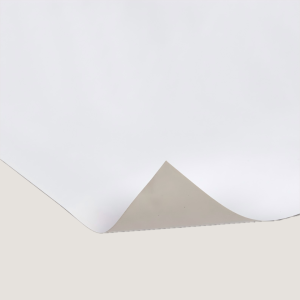
If there’s one material that deserves more attention in sustainable food packaging, it’s Coated Kraft.
Uncoated kraft paper looks sustainable—but in food applications, appearance isn’t enough. Oil stains, moisture absorption, and structural weakening quickly become problems.
What Makes Coated Kraft Different
Coated Kraft combines the natural look of kraft paper with functional barrier coatings, such as:
-
Water-based coatings
-
Dispersion coatings
-
Thin barrier layers designed for food contact
These coatings significantly improve:
-
Grease resistance
-
Moisture protection
-
Structural integrity
All while keeping the packaging recyclable and food-safe when designed correctly.
Where Coated Kraft Works Best
Coated Kraft is commonly used in:
-
Bakery boxes
-
Takeaway food packaging
-
Snack and sandwich boxes
-
Eco-friendly beverage carriers
This is why Coated Kraft has become a key material in eco-friendly food packaging and sustainable beverage packaging solutions.
For many brands, it offers the best compromise between environmental responsibility and functional performance.
Corrugated Cardboard: Sustainability Beyond the Shelf
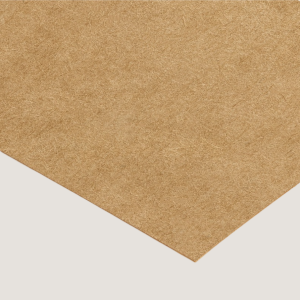
Corrugated packaging doesn’t always get the spotlight in sustainability discussions, but it plays a critical role behind the scenes.
Why Corrugated Packaging Is Inherently Sustainable
Corrugated boxes are:
-
Made primarily from recycled fibers
-
Fully recyclable
-
Lightweight relative to strength
-
Excellent at protecting food products during shipping
And here’s the key point:
preventing damage is one of the most sustainable actions a brand can take.
Every crushed product is wasted food, wasted energy, and wasted materials.
Typical Food Applications
-
Bulk food transport
-
E-commerce food shipments
-
Beverage outer cartons
-
Secondary packaging for retail
Well-designed corrugated packaging reduces returns, spoilage, and food waste—making it a quiet sustainability hero.
Flexible Packaging: Can It Be Sustainable?
Flexible packaging often gets criticized in sustainability conversations, but the reality is more nuanced.
The Sustainability Advantage of Flexible Packaging
Flexible packaging uses less material overall compared to rigid alternatives. That means:
-
Lower material consumption
-
Reduced shipping weight
-
Lower carbon footprint per unit
From a life-cycle perspective, this matters.
The Challenge: Recycling Infrastructure
The main issue with flexible packaging isn’t always the material—it’s whether local recycling systems can handle it.
That’s why brands increasingly look for:
-
Mono-material flexible packaging
-
Simplified structures
-
Clear disposal instructions
Used thoughtfully, flexible packaging can still play a role in sustainable food packaging strategies.
Food Safety and Sustainable Materials: Non-Negotiable Basics
Sustainability never overrides food safety.
Any material used in food packaging must:
-
Comply with FDA or EU food-contact regulations
-
Control migration from inks, adhesives, and coatings
-
Maintain stability under temperature and humidity changes
This is especially important for coated and composite materials.
A truly sustainable packaging solution protects both the environment and the consumer.
Shelf Life vs Sustainability: A Real Trade-Off Brands Face
One of the hardest decisions food brands face is balancing shelf life with material choice.
A packaging material that looks “greener” but shortens shelf life may actually:
-
Increase food waste
-
Raise overall environmental impact
-
Increase returns and complaints
In many cases, a slightly enhanced barrier—even with a coating—results in a more sustainable outcome overall.
This is why sustainable food packaging must be evaluated system-wide, not material-by-material.
How Material Choice Impacts Brand Perception
Consumers may not know technical material terms, but they feel the difference.
Natural textures, sturdy structures, and thoughtful design cues signal:
-
Quality
-
Responsibility
-
Transparency
Paperboard and Coated Kraft often align better with consumer expectations for sustainable food packaging than glossy plastics—even when performance is similar.
Common Mistakes Brands Make When Choosing Sustainable Materials
After years of watching brands navigate this space, a few patterns show up repeatedly:
-
Choosing materials based on appearance alone
-
Ignoring real shipping and storage conditions
-
Assuming “paper” always means sustainable
-
Overcomplicating structures with unnecessary layers
The most effective packaging solutions are often simpler, not more complex.
How This Fits Into a Broader Sustainable Packaging Strategy
Material choice doesn’t exist in isolation.
It should connect with:
-
Structural design
-
Logistics efficiency
-
Brand messaging
-
Compliance requirements
That’s why material decisions work best when made as part of a broader plan for sustainable packaging for food and beverage brands—not as a last-minute substitution.
Final Thoughts: Choose Materials That Work in the Real World
Sustainable food packaging materials are not about chasing trends or labels. They’re about choosing materials that:
-
Protect food effectively
-
Reduce waste across the supply chain
-
Meet regulatory standards
-
Align with brand values
-
And make sense operationally
Materials like paperboard, Coated Kraft, and recyclable corrugated packaging continue to lead—not because they’re perfect, but because they work.
And in food packaging, what works consistently is often the most sustainable choice of all.