Table of Contents
- What Makes a Packaging Box Truly Retail-Ready
- What Does “Retail-Ready Packaging” Really Mean?
- 1. Shelf Impact: Standing Out in a Crowded Retail Environment
- 2. Structural Design for Retail Display
- 3. Retail Compliance and Barcode Requirements
- 4. Packaging Materials That Work in Retail Settings
- 5. Print Quality and Color Accuracy
- 6. Clear Product Information & Consumer Trust
- 7. Protection Through the Retail Supply Chain
- 8. Ease of Stocking and Handling for Retail Staff
- 9. Sustainability Expectations in Retail Packaging
- 10. Consistency Across Retail Channels
- Common Mistakes That Make Packaging Not Retail-Ready
- How to Test if Your Packaging Is Truly Retail-Ready
- Choosing the Right Packaging Partner for Retail Packaging
- Conclusion: Retail-Ready Packaging Is a Competitive Advantage
What Makes a Packaging Box Truly Retail-Ready
In a world dominated by visual competition, retail packaging is no longer just a container—it is a silent salesperson. When a product sits on a shelf surrounded by dozens of alternatives, the packaging box determines whether shoppers stop, look closer, and ultimately buy.
A retail-ready packaging box must do far more than hold a product. It must meet strict retail requirements, protect the product, communicate brand value instantly, and perform well in real-world store environments. Many brands fail at retail not because their product is weak, but because their packaging is not truly retail-ready.
So what exactly makes a packaging box retail-ready? This guide breaks down the essential elements every brand should consider before launching into brick-and-mortar retail.
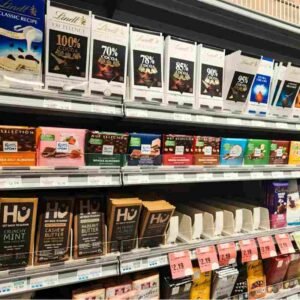
What Does “Retail-Ready Packaging” Really Mean?
Retail-ready packaging refers to packaging that is designed specifically to perform well in physical retail environments.
A truly retail-ready packaging box must:
-
Meet retailer compliance standards
-
Display products effectively on shelves
-
Communicate brand value within seconds
-
Protect products through transport and handling
-
Support fast stocking and easy handling
Retail-ready does not mean over-designed or expensive—it means purposeful, compliant, and optimized for retail success.
1. Shelf Impact: Standing Out in a Crowded Retail Environment
The 3–5 Second Rule in Retail
Studies consistently show that shoppers make buying decisions within seconds. Your packaging box must communicate its value instantly.
A retail-ready box should clearly show:
-
What the product is
-
Who it is for
-
Why it is better
If customers need to pick up the box to understand it, the packaging is already failing.
Visual Hierarchy Matters
Effective retail packaging uses a clear visual hierarchy:
-
Brand name
-
Product name
-
Key benefit or differentiator
-
Supporting information
Good packaging design guides the eye naturally—poor design creates confusion.
2. Structural Design for Retail Display
Retail-ready packaging must be structurally suitable for store shelves.
Common Retail-Ready Box Structures
-
Folding carton boxes – Ideal for cosmetics, food, supplements, and personal care
-
Rigid boxes – Used for luxury items, electronics, jewelry
-
Display-ready boxes – Designed to open directly into shelf displays
-
Window boxes – Allow customers to see the product
Each structure serves a specific retail function.
Stability and Shelf Performance
A retail packaging box must:
-
Stand upright without tipping
-
Maintain shape over time
-
Resist crushing under stacking pressure
Flimsy packaging damages brand perception instantly.
3. Retail Compliance and Barcode Requirements
One of the most overlooked aspects of retail packaging is compliance.
Retailers Have Strict Rules
Most retailers require:
-
Specific barcode placement and size
-
Clear product labeling
-
Legal and regulatory information
-
Country-of-origin statements
-
Batch or lot coding space
Failure to meet these standards can result in:
-
Rejected shipments
-
Delays
-
Financial penalties
Retail-ready packaging is designed with compliance in mind from the start.
4. Packaging Materials That Work in Retail Settings
Material choice directly impacts both appearance and performance.
Paperboard for Retail Packaging
Paperboard is one of the most common retail packaging materials due to:
-
Smooth printing surface
-
Clean, premium appearance
-
Cost efficiency
-
Sustainability
It is widely used for:
-
Skincare
-
Food products
-
Supplements
-
Consumer goods
Rigid Materials for Premium Retail
Rigid boxes offer:
-
Superior durability
-
High perceived value
-
Luxury positioning
They are often used for:
-
Electronics
-
Jewelry
-
Luxury gifts
Retail-ready packaging should always match material choice to product positioning.
5. Print Quality and Color Accuracy
Retail lighting is unforgiving.
A packaging box that looks good in digital mockups may look dull or inconsistent on store shelves if print quality is poor.
Why Print Quality Matters
Retail-ready packaging requires:
-
High-resolution printing
-
Accurate brand colors
-
Consistent ink coverage
-
Sharp text and graphics
Color inconsistency across SKUs can damage brand trust.
Finishes That Improve Shelf Appeal
Common retail finishes include:
-
Matte lamination for premium feel
-
Gloss lamination for vibrancy
-
Spot UV to highlight key elements
-
Foil stamping for logos
Finishes should enhance—not overpower—the design.
6. Clear Product Information & Consumer Trust
Retail customers rely heavily on packaging to make decisions.
A retail-ready box must communicate:
-
Product benefits
-
Usage instructions
-
Ingredients or materials
-
Safety or compliance details
Poor information layout leads to hesitation and lost sales.
Transparency Builds Confidence
Clear, honest packaging builds trust—especially in:
-
Food
-
Cosmetics
-
Health products
-
Baby products
Retail-ready packaging supports informed purchasing.
7. Protection Through the Retail Supply Chain
Retail packaging must survive:
-
Factory handling
-
Transportation
-
Warehouse stacking
-
In-store stocking
-
Customer handling
A box that looks great but arrives damaged is not retail-ready.
Structural Reinforcement
Key protection features include:
-
Reinforced corners
-
Adequate board thickness
-
Inner trays or inserts
Retail-ready packaging balances aesthetics with strength.
8. Ease of Stocking and Handling for Retail Staff
Retailers value packaging that is easy to handle.
Packaging that:
-
Is easy to open
-
Can be stocked quickly
-
Requires minimal setup
has a higher chance of being favored by retailers.
Retail-Ready Display Packaging
Some boxes are designed to:
-
Open into display trays
-
Convert from shipping box to shelf display
This reduces labor and improves in-store efficiency.
9. Sustainability Expectations in Retail Packaging
Sustainability is no longer optional.
Retail-ready packaging increasingly requires:
-
Recyclable materials
-
Reduced plastic use
-
FSC-certified paper
-
Minimal packaging waste
Retailers and consumers alike favor eco-friendly packaging solutions.
Sustainable Packaging Enhances Shelf Appeal
Eco-friendly packaging:
-
Improves brand image
-
Builds consumer trust
-
Meets retailer sustainability goals
Retail-ready packaging aligns with modern values.
10. Consistency Across Retail Channels
Retail-ready packaging must perform consistently across:
-
Multiple store locations
-
Different shelf layouts
-
Various lighting conditions
Consistency builds brand recognition and trust.
Common Mistakes That Make Packaging Not Retail-Ready
Many brands fail due to avoidable errors:
-
Designing packaging only for e-commerce
-
Ignoring retail compliance rules
-
Using low-quality materials
-
Overloading designs with text
-
Prioritizing cost over performance
Retail packaging requires a different mindset than shipping packaging.
How to Test if Your Packaging Is Truly Retail-Ready
Before mass production, brands should:
-
Test shelf stability
-
Review compliance requirements
-
Evaluate shelf visibility
-
Conduct drop and stacking tests
-
Review packaging under retail lighting
Retail readiness should be validated, not assumed.
Choosing the Right Packaging Partner for Retail Packaging
A reliable packaging supplier should offer:
-
Retail packaging experience
-
Structural design support
-
Material guidance
-
Consistent print quality
-
Sampling and prototyping
Retail success starts with the right partner.
Conclusion: Retail-Ready Packaging Is a Competitive Advantage
A truly retail-ready packaging box does more than hold a product—it sells it.
By combining:
-
Strong shelf presence
-
Structural integrity
-
Clear communication
-
Compliance readiness
-
Sustainable materials
brands can turn packaging into a powerful retail advantage.
If your packaging can survive logistics, stand out on shelves, meet retailer standards, and communicate value instantly—then it’s not just a box. It’s retail-ready.