
Better Packaging for International Shipping
Shipping products internationally presents unique challenges. Longer transit times, multiple handling points, customs inspections, and varying climate conditions all increase the risk of damage. Choosing the right packaging for international shipping is critical to protecting your products, controlling costs, and maintaining a professional brand image.
This guide explains the best packaging options for international shipping and how to choose the right solution for your products.
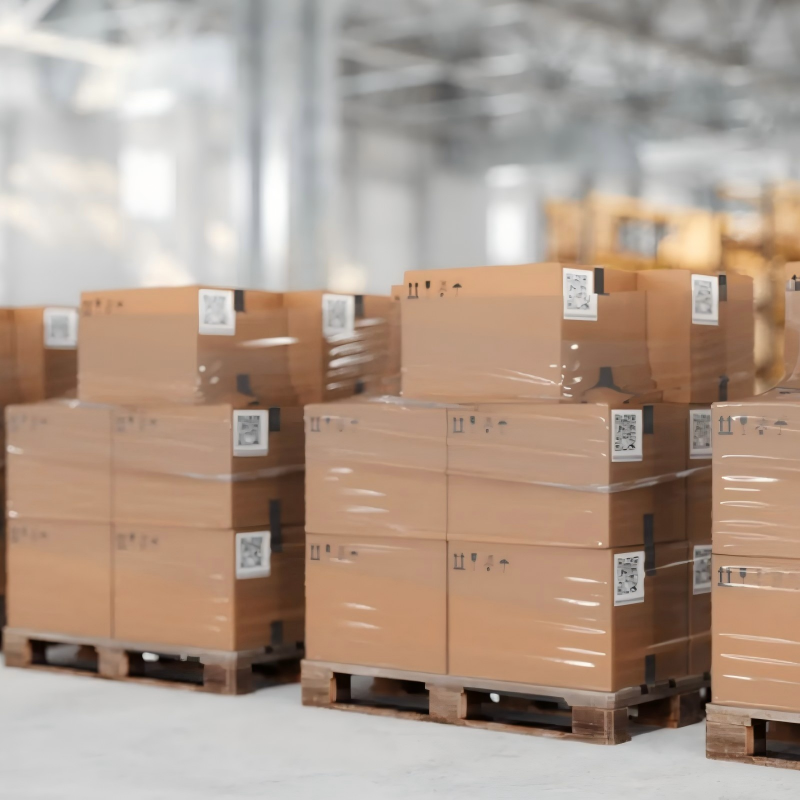
Why Packaging Matters in International Shipping
International shipping is more demanding than domestic delivery. Poor packaging can lead to damaged goods, returns, customs delays, and increased shipping costs.
Effective international shipping packaging should:
-
Protect products during long-distance transit
-
Withstand stacking, vibration, and impact
-
Comply with international shipping regulations
-
Optimize weight and dimensional shipping costs
-
Maintain product presentation upon arrival
Key Factors to Consider for International Shipping Packaging
Product Size, Weight, and Fragility
Start by evaluating your product’s physical characteristics:
-
Fragile items require reinforced protection and cushioning
-
Heavy products need strong structural packaging
-
Irregular shapes may require custom inserts or die-cut boxes
The heavier and more fragile the product, the stronger the packaging must be.
Shipping Distance and Transit Time
International shipments often travel by:
-
Sea freight
-
Air freight
-
Multimodal transportation
Longer transit times increase exposure to moisture, compression, and temperature changes. Packaging must remain stable throughout the entire journey.
Customs and Handling Requirements
Customs inspections may involve opening and resealing packages. Packaging should allow for inspection without damaging the box or product.
Clear labeling and durable packaging help prevent delays and mishandling.
Best Box Types for International Shipping
Corrugated Boxes (Most Common Choice)
Corrugated boxes are the most widely used packaging solution for international shipping.
Best for:
-
E-commerce shipments
-
Bulk goods
-
Electronics, apparel, household products
Advantages:
-
Lightweight but strong
-
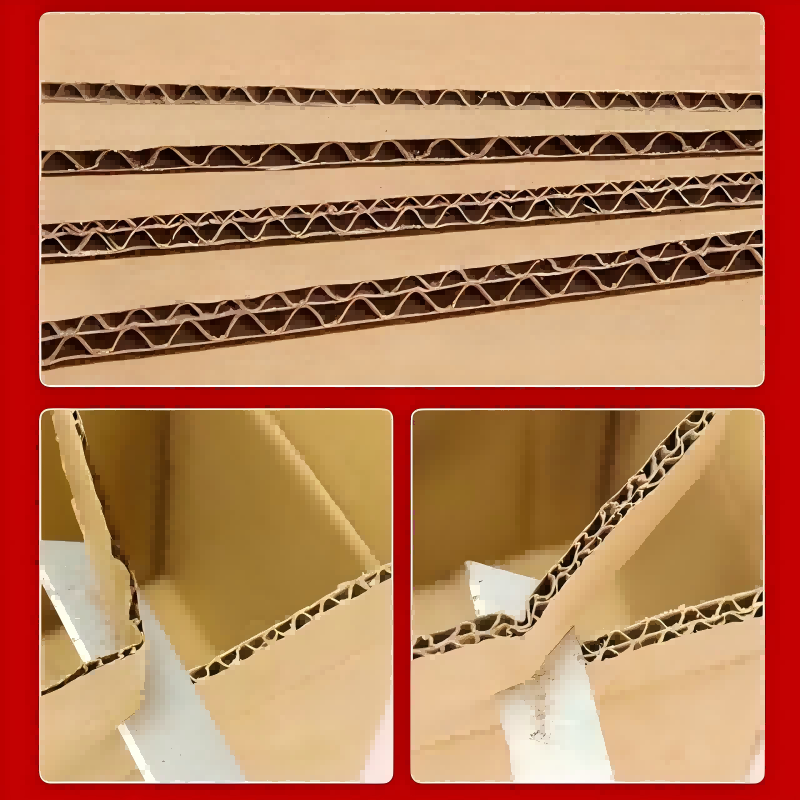
Available in single-wall, double-wall, and triple-wall options
-
Cost-effective for large volumes
-
Easy to customize for size and strength
For most international shipments, double-wall corrugated boxes provide the best balance between protection and cost.
Heavy-Duty Corrugated Boxes
For heavy or high-value products, heavy-duty corrugated packaging is recommended.
Best for:
-
Machinery parts
-
Industrial components
-
Glass or metal products
Advantages:
-
High compression strength
-
Better resistance to stacking pressure
-
Reduced risk of box collapse
Rigid Boxes (Limited Use for Shipping)
Rigid boxes are not commonly used as outer shipping cartons but may be used as inner packaging.
Best for:
-
Luxury products shipped in protective outer cartons
-
Premium retail packaging
Rigid boxes should always be placed inside a corrugated shipping box for international transport.
Protective Materials for International Shipping
Choosing the right box is only part of the solution. Internal protection is equally important.
Common Protective Materials
-
Corrugated inserts
-
Molded pulp trays
-
Foam inserts
-
Honeycomb paperboard
-
Kraft paper cushioning
For eco-conscious brands, paper-based protective materials are preferred over plastic.
Moisture and Climate Protection
International shipments may pass through humid ports, cold cargo holds, or hot containers.
Recommended solutions include:
-
Moisture-resistant corrugated board
-
Inner liners or poly bag protection
-
Desiccant packs for sensitive products
Protecting against moisture helps prevent mold, warping, and product damage.
Packaging Weight and Shipping Cost Optimization
Shipping costs are often calculated based on dimensional weight. Oversized or inefficient packaging can significantly increase costs.
Best practices include:
-
Custom box sizing to reduce empty space
-
Lightweight corrugated materials with high strength
-
Avoiding unnecessary layers
Efficient packaging design reduces freight costs while maintaining protection.

Sustainability in International Shipping Packaging
Many international buyers prefer sustainable packaging solutions.
Eco-friendly options include:
-
Recyclable corrugated boxes
-
FSC-certified paperboard
-
Plastic-free protective materials
-
Minimalist packaging design
Sustainable packaging can also help brands comply with environmental regulations in Europe and North America.
Common Packaging Mistakes to Avoid
-
Using single-wall boxes for heavy products
-
Oversized boxes with insufficient cushioning
-
Ignoring moisture protection
-
Choosing packaging based on cost only
-
Not testing packaging before mass shipment
Packaging testing, such as drop tests and compression tests, is strongly recommended.

Choosing a Custom Packaging Manufacturer
Working with an experienced packaging manufacturer helps ensure your international shipments are protected and cost-efficient.
A reliable supplier should offer:
-
Custom box sizing
-
Strength testing recommendations
-
Low MOQ options for trial shipments
-
Support for international shipping standards
At Better Packaging, we help businesses design custom packaging solutions tailored for international shipping, product protection, and cost efficiency.
Final Thoughts
The best packaging for international shipping balances strength, protection, cost, and sustainability. Corrugated boxes remain the most effective solution for most products, while custom inserts and moisture protection further reduce risk.
Choosing the right packaging not only protects your products—but also your brand reputation in global markets.
Call to Action
Need help choosing the best packaging for international shipping?
Contact Better Packaging for expert advice and custom packaging solutions designed for global delivery.