Table of Contents
- Introduction: Why Packaging for Hemp Is a Strategic Business Decision
- 1. What Does “Packaging for Hemp” Really Mean?
- 2. Sustainability as a Core Requirement in Packaging for Hemp
- 3. Functional Performance and Product Protection
- 4. Common Packaging Formats for Hemp Products
- 5. Industry-Specific Requirements for Packaging for Hemp
- 6. Branding and Design Strategies
- 7. Compliance and Regulatory Considerations
- 8. Cost Factors and Scalability
- 9. Challenges in Packaging for Hemp
- 10. Future Trends in Packaging for Hemp
- Better Packaging: Your B2B Partner for Packaging for Hemp
Introduction: Why Packaging for Hemp Is a Strategic Business Decision
The global hemp industry has rapidly shifted from a niche market to the mainstream. Today, hemp-derived products encompass food, supplements, cosmetics, wellness items, CBD, textiles, and a variety of lifestyle goods. As the market continues to mature, competition grows fiercer—and packaging emerges as a crucial differentiator. Modern packaging for hemp is no longer solely focused on product protection; it now plays a strategic role in demonstrating sustainability, ensuring regulatory compliance, enhancing shelf appeal, and building long-term brand trust.
1. What Does “Packaging for Hemp” Really Mean?
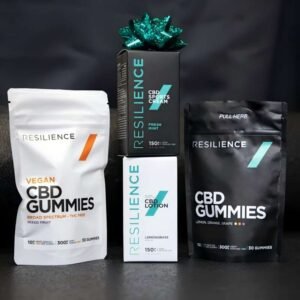
Packaging for hemp refers to packaging solutions specifically designed for hemp-based or hemp-derived products. Unlike generic packaging, packaging for hemp must align with the values commonly associated with hemp: sustainability, natural ingredients, responsibility, and quality.
Depending on the product category, packaging for hemp may include:
- Primary packaging that comes into direct contact with the product
- Secondary packaging such as retail boxes or tubes
- Protective inserts or inner supports
- Outer packaging for shipping and distribution
Each layer must work together to protect the product while reinforcing a consistent, eco-conscious brand message.
2. Sustainability as a Core Requirement in Packaging for Hemp
2.1 Eco-Friendly Material Selection
Sustainability is not optional in packaging for hemp—it is an expectation. Brands commonly choose materials such as:
- Recycled paperboard and cardboard
- Hemp-based paper materials
- Kraft paper and unbleached boards
- Molded pulp and fiber-based inserts
- Hybrid structures combining hemp fiber with recycled paper
These materials reduce reliance on virgin plastics and support renewable sourcing.
2.2 Biodegradability and Recyclability
Packaging for hemp is often designed to be recyclable, biodegradable, or both. Clear recycling instructions and material transparency help brands meet regulatory requirements and build consumer trust.
2.3 Reducing Plastic Use
Many hemp brands actively seek plastic-free or low-plastic packaging designs. When barrier protection is required, brands often use minimal inner liners paired with paper-based outer packaging to balance performance and sustainability.
3. Functional Performance and Product Protection
While sustainability is essential, packaging for hemp must still perform reliably throughout the supply chain.
3.1 Structural Strength
Packaging for hemp must protect products from impact, compression, and handling damage during transportation and retail display. Well-engineered paperboard structures and inserts play a key role.
3.2 Moisture and Barrier Protection
Some hemp products—such as supplements, powders, or cosmetics—require moisture and oxygen barriers. Packaging solutions may include:
- Food-grade inner liners
- Coated paperboard surfaces
- Sealed closures to maintain freshness
3.3 Shelf Life and Product Integrity
Effective packaging for hemp helps preserve product quality, extend shelf life, and ensure a positive customer experience.
4. Common Packaging Formats for Hemp Products
Packaging for hemp can be adapted into multiple structural formats depending on the product and brand positioning.
4.1 Folding Cartons
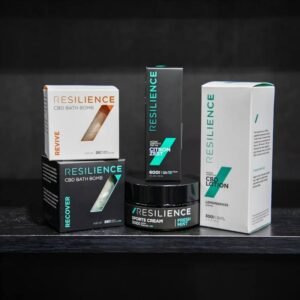
Folding cartons are one of the most popular packaging formats for hemp products. They offer:
- Lightweight construction
- Cost efficiency
- Excellent printability
- Easy recyclability
4.2 Paper Tubes and Cylindrical Packaging
Paper tubes provide a premium, distinctive look for hemp products. They are often used for:
- Supplements
- Wellness products
- Cosmetics
- Gift-oriented hemp items
4.3 Rigid Boxes
For high-end hemp-based products, rigid boxes deliver superior protection and luxury presentation.
4.4 Molded Pulp and Fiber Inserts
Molded pulp inserts offer sustainable internal protection while eliminating plastic trays.
5. Industry-Specific Requirements for Packaging for Hemp
5.1 Hemp Food and Supplements
Packaging for hemp food products must meet food-contact regulations, provide freshness protection, and clearly display nutritional and legal information.
5.2 Hemp Cosmetics and Personal Care
Cosmetic packaging emphasizes both protection and aesthetics. Packaging for hemp in this category often uses minimalist design, natural textures, and premium finishes.
5.3 CBD and Wellness Products
CBD brands require packaging for hemp that communicates trust, safety, and compliance. Tamper-evident and child-resistant solutions may be required in certain markets.
5.4 Lifestyle and Retail Goods
For textiles, accessories, and lifestyle products, packaging for hemp focuses on durability, branding consistency, and sustainability storytelling.
6. Branding and Design Strategies
Packaging for hemp plays a central role in brand storytelling.
6.1 Visual Language
Natural color palettes, earthy tones, and clean typography reinforce authenticity.
6.2 Printing and Finishing Options
Brands often use:
- Water-based or soy-based inks
- Embossing and debossing
- Subtle foil stamping
- Spot UV for controlled highlights
6.3 Minimalist Design
Minimalist packaging design aligns strongly with hemp branding by emphasizing transparency and responsibility.
7. Compliance and Regulatory Considerations
Packaging for hemp must comply with regional and industry-specific regulations, including:
- Food-contact material standards
- Labeling and ingredient disclosure rules
- Child-resistant or tamper-evident requirements
- Sustainability and recycling regulations
Working with experienced packaging manufacturers reduces compliance risks.
8. Cost Factors and Scalability
The cost of packaging for hemp depends on several factors:
- Material selection
- Packaging structure
- Customization level
- Order volume
While sustainable materials may increase unit cost, they often deliver long-term ROI through brand differentiation and customer loyalty.
Scalable production is especially important for hemp brands planning to expand into new markets.
9. Challenges in Packaging for Hemp
Despite its advantages, packaging for hemp presents challenges:
- Limited availability of certain sustainable materials
- Higher MOQs for custom solutions
- Balancing barrier performance with recyclability
Strategic planning and supplier collaboration help overcome these challenges.
10. Future Trends in Packaging for Hemp
Packaging for hemp will continue to evolve as sustainability standards rise.
Key trends include:
- Increased use of hemp-based paper materials
- Plastic-free structural innovation
- Smart packaging and traceability
- Stronger focus on lifecycle analysis
Brands that invest early in advanced packaging for hemp will be better positioned for long-term success.
Better Packaging: Your B2B Partner for Packaging for Hemp
At Better Packaging, we specialize in packaging for hemp designed for sustainability, performance, and brand impact.
We support B2B brands with:
- Custom paper-based and hemp-material packaging
- Structural design and prototyping
- Premium printing and finishing
- Compliance-focused engineering
- Factory-direct, scalable production
👉 Contact Better Packaging to develop packaging for hemp products that protects your goods, supports sustainability goals, and strengthens your brand in competitive global markets.