Table of Contents
- 1. Why Packaging Design Matters in the Wellness Industry
- 2. Key Elements That Build Trust Through Packaging
- 3. Packaging and the Unboxing Experience
- 4. Eco-Friendly Packaging Builds Brand Credibility
- 5. The Role of Color, Typography, and Graphics
- 6. Child-Resistant Packaging and Compliance
- 7. Packaging Shapes and Formats
- 8. Digital Integration and Smart Packaging
- 9. Avoiding Common Packaging Mistakes
- 10. How to Choose the Right Packaging Supplier
- 11. Final Thoughts: Packaging as a Trust-Building Tool
In the supplement and wellness industry, first impressions matter. Consumers often decide whether to pick up a product, trust its claims, or even try a new brand based on packaging alone. Well-thought-out packaging design builds trust, communicates quality, and enhances the overall experience, turning a simple container into a powerful brand ambassador. In this blog, we’ll explore how packaging design influences trust, what makes effective supplement packaging, and how brands can use it to grow loyalty and credibility.
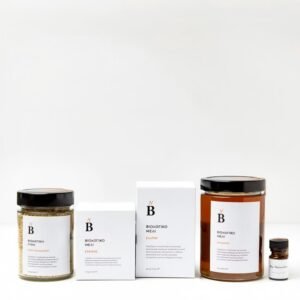
1. Why Packaging Design Matters in the Wellness Industry
1.1 The First Touchpoint
Before a customer reads ingredients or checks certifications, they see your packaging. A clean, professional design conveys expertise, safety, and quality. For supplement and wellness products, this is especially critical because consumers are directly putting these items into their bodies.
1.2 Conveying Safety and Reliability
Packaging design is not just about aesthetics. It tells consumers that the product inside is safe, compliant, and carefully made. Features like tamper-evident seals, child-resistant caps, and clear labeling are subtle cues that a brand prioritizes safety.
1.3 Brand Storytelling
Packaging is a storytelling medium. Colors, fonts, materials, and textures communicate brand values. For example, earthy tones and kraft materials signal eco-consciousness, while sleek matte finishes suggest premium quality.
2. Key Elements That Build Trust Through Packaging
2.1 Clear Labeling and Transparency
Transparent labels, readable fonts, and concise ingredient information are crucial. Misleading or confusing packaging erodes trust. Consumers value clarity: the easier it is to understand what’s inside, the more confident they feel in purchasing.
Tips:
-
Highlight certifications (FDA, GMP, organic, non-GMO)
-
Include dosage instructions in a visible place
-
List allergen warnings and expiration dates clearly
2.2 Functional Packaging Features
Functionality enhances trust. Features like resealable pouches, tamper-evident seals, and child-resistant packaging show that safety is a priority. Consumers are subconsciously reassured when the product packaging protects the product from contamination or damage.
Examples:
-
Child-resistant bottles for vitamins
-
Foil-sealed sachets for powdered supplements
-
UV-protected jars for sensitive oils or capsules
2.3 Premium Materials
The material itself communicates value. Thick rigid boxes, coated labels, and embossed logos make a product feel trustworthy and professional. Conversely, flimsy or cheaply printed packaging can imply low quality.
Materials that inspire trust:
-
PET or glass jars for capsules
-
Rigid paperboard boxes for premium kits
-
Eco-friendly coated kraft for sustainable branding
3. Packaging and the Unboxing Experience
Unboxing is more than a trend—it’s a psychological cue that impacts perceived value and trust. A thoughtful unboxing experience signals that the brand cares about the customer.
3.1 Layered Packaging
Use inserts, cushioning, or trays to hold products in place. This not only protects the product but also creates anticipation as the consumer reveals each component.
3.2 Design Consistency
Matching the interior and exterior packaging colors, textures, and design elements reinforces professionalism. Every detail matters: a mismatched interior box or torn tissue paper can subconsciously decrease trust.
3.3 Personalized Touches
Small additions, like a thank-you note, QR code with wellness tips, or a branded sticker, can make consumers feel valued, which translates to trust and loyalty.
4. Eco-Friendly Packaging Builds Brand Credibility
Sustainability is no longer optional; it’s a trust signal. Consumers increasingly associate eco-conscious packaging with a brand that cares about health and ethics.
4.1 Coated Kraft for Supplements
Coated kraft is a versatile material that offers durability, a premium feel, and sustainability. It can be printed with vibrant colors while remaining recyclable, making it ideal for eco-friendly beverage packaging or supplement boxes.
Benefits:
-
Reinforces eco-conscious brand values
-
Durable enough for shipping and storage
-
Offers a natural, earthy aesthetic that resonates with wellness audiences
4.2 Other Sustainable Options
-
Biodegradable pouches for powders
-
Recyclable PET or glass containers
-
Compostable inner trays for gift sets
5. The Role of Color, Typography, and Graphics
5.1 Color Psychology
Colors communicate emotion and brand personality. For wellness brands:
-
Green = health, nature, organic
-
Blue = trust, reliability
-
Gold or silver = premium quality
5.2 Typography
Clear, legible fonts improve readability and credibility. Sans-serif fonts for modern minimalism, serif fonts for a classic trustworthy feel.
5.3 Imagery and Icons
Use icons to highlight key product attributes: vegan, gluten-free, organic. They quickly communicate important information and reduce cognitive load.
6. Child-Resistant Packaging and Compliance
For supplements, especially vitamins and products for children, child-resistant packaging is essential. It ensures safety and signals compliance, which is a direct trust-building factor.
Best Practices:
-
Tamper-evident seals
-
Push-and-turn caps for bottles
-
Clear usage instructions on the lid
Integrating child-resistant packaging doesn’t have to compromise aesthetics. Many premium brands combine elegant rigid boxes with functional child-resistant inserts.
7. Packaging Shapes and Formats
7.1 Bottles vs. Jars
-
Bottles: Ideal for capsules, tablets, and small items
-
Jars: Better for powders, gummies, and supplements that require resealing
7.2 Rigid Boxes vs. Folding Cartons
Rigid boxes feel premium and protect fragile items. Folding cartons are lightweight and cost-effective, suitable for multi-unit packaging.
7.3 Window Boxes
Window boxes provide transparency, literally and figuratively, allowing consumers to see the product and reinforcing trust in quality.
8. Digital Integration and Smart Packaging
Modern packaging can combine physical design with digital experiences. QR codes, NFC tags, and AR features educate consumers, share certifications, or link to wellness tips. This transparency enhances trust.
Examples:
-
QR code linking to lab test results
-
NFC tag for authentic product verification
-
AR instructions for supplement usage
9. Avoiding Common Packaging Mistakes
9.1 Overcomplicating Design
Too many colors or text can confuse consumers and appear unprofessional.
9.2 Skimping on Materials
Thin paper or low-quality printing reduces perceived value and may raise safety concerns.
9.3 Neglecting Compliance
Always ensure that your packaging meets FDA or local regulations for supplements. Missing warnings or inaccurate claims can destroy trust overnight.
10. How to Choose the Right Packaging Supplier
Choosing the right supplier is critical. Look for:
-
Experience with supplements and wellness products
-
Compliance certifications (ISO, FDA, GMP)
-
Capabilities in custom printing, inserts, and finishes
-
Sustainable material options
-
Ability to prototype and test packaging
Working with a trusted supplier ensures consistency, quality, and reliability in your packaging.
11. Final Thoughts: Packaging as a Trust-Building Tool
Packaging is more than a container; it’s a statement of reliability, professionalism, and care. Thoughtful design—integrating clear labeling, premium materials, eco-conscious choices, child safety, and engaging unboxing—builds trust in a crowded market.
By aligning packaging with brand values, complying with regulations, and creating memorable experiences, supplement and wellness brands can cultivate customer loyalty, encourage repeat purchases, and differentiate themselves from competitors.
Remember: your packaging is often the first interaction a consumer has with your product. Make it count.