Table of Contents
- Why Cosmetic Packaging Matters More Than Ever
- 1. Paperboard Cosmetic Boxes: Affordable, Versatile, and Visual
- 2. Cardboard Cosmetic Packaging: Strength with Style
- 3. Rigid Paper Boxes: Luxury and Prestige
- 4. Kraft Packaging: Natural, Rustic, and Sustainable
- 5. Eco-Friendly Cosmetic Packaging: Responsibly Designed
- 6. Sustainable Cosmetic Packaging: Lifecycle Considerations
- 7. Recyclable Cosmetic Boxes: Practical and Eco-Friendly
- 8. How to Choose the Right Cosmetic Packaging Boxes for Your Brand
- 9. The Unboxing Experience: Creating Lasting Impressions
- 10. Partnering With a Professional Packaging Manufacturer
- 11. Future Trends in Cosmetic Packaging
- 12. Comparing Material Options at a Glance
- Conclusion
In today’s competitive beauty market, packaging is far more than a protective container—it is a silent salesperson, a brand ambassador, and often the first point of contact between a product and its customer. The right modern cosmetic packaging boxes can elevate a brand, attract attention on crowded shelves, and even influence purchasing decisions.
Whether you are a skincare startup, a luxury fragrance brand, or a global cosmetics manufacturer, understanding the nuances of cosmetic packaging—materials, finishes, sustainability, and unboxing experience—is essential to your success. This comprehensive guide explores the full spectrum of packaging solutions, from traditional paperboard boxes to rigid luxury boxes, eco-conscious options, and recyclable alternatives.
Why Cosmetic Packaging Matters More Than Ever
Customers in the beauty industry are visual and experiential buyers. They make judgments based on packaging even before testing a product. Well-designed modern cosmetic packaging boxes communicate:
-
Brand positioning (luxury, minimalist, natural, professional)
-
Price expectation
-
Product quality and perceived value
-
Sustainability and eco-conscious messaging
-
Target audience alignment
Interestingly, studies indicate that consumers are willing to pay up to 30% more for products that come in premium or eco-friendly packaging. Choosing the right packaging is therefore not just about protection—it’s about strategy, branding, and sales optimization.
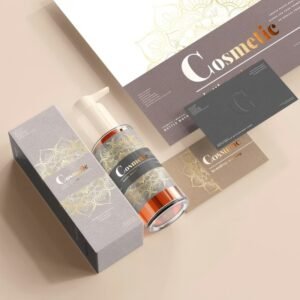
1. Paperboard Cosmetic Boxes: Affordable, Versatile, and Visual
Paperboard remains one of the most popular materials in cosmetic packaging. Its lightweight, durable nature makes it ideal for a broad range of products.
Benefits of Paperboard Boxes:
-
Excellent for vibrant printing and customization
-
Easy to fold, cut, and shape
-
Cost-effective for large production runs
-
Works well in retail and e-commerce environments
Common Uses:
-
Serum packaging
-
Lotion and cream boxes
-
Lipstick and lip gloss packaging
-
Skincare kits
Paperboard boxes strike a balance between cost, protection, and aesthetics, making them a smart starting point for brands exploring modern cosmetic packaging boxes.
2. Cardboard Cosmetic Packaging: Strength with Style
For heavier or premium products, cardboard packaging offers added durability and creative freedom.
Advantages:
-
Stronger than paperboard—perfect for glass bottles or fragile items
-
Supports windows, embossing, foil stamping, and custom shapes
-
Suitable for medium- and high-end product lines
Applications:
-
Facial cleansers
-
Skincare bottles and jars
-
Candle gift sets
-
Men’s grooming products
Cardboard boxes are excellent when products need both visual appeal and extra protection, making them a versatile choice for brands seeking reliable cosmetic packaging solutions.
3. Rigid Paper Boxes: Luxury and Prestige
Rigid boxes are synonymous with high-end products. They convey quality and sophistication while protecting delicate items.
Features:
-
Thick, sturdy board
-
Magnetic closures or specialty hinges
-
Soft-touch laminations, foil stamping, linen textures
-
Perfect for influencer PR kits and unboxing videos
Ideal For:
-
Perfumes
-
High-end serums
-
Luxury holiday gift sets
-
Premium makeup collections
Rigid boxes make products feel valuable, which can enhance perceived quality and justify higher price points.
4. Kraft Packaging: Natural, Rustic, and Sustainable
Kraft materials are increasingly popular among brands emphasizing natural ingredients, clean beauty, or organic formulas.
Benefits:
-
Rustic, earthy appearance
-
Lightweight yet durable
-
Fully recyclable and biodegradable
-
Works beautifully with minimalist designs
Best For:
-
Organic skincare
-
Essential oils
-
Handmade cosmetics
-
Natural haircare
Kraft packaging aligns with brand values of sustainability and simplicity, appealing to environmentally-conscious consumers without sacrificing style.
5. Eco-Friendly Cosmetic Packaging: Responsibly Designed
Modern consumers expect sustainability. Eco-friendly packaging is now both a marketing advantage and a moral responsibility.
Eco-Friendly Materials:
-
FSC-certified paper and cardboard
-
Recycled or plant-based materials
-
Plastic-free inserts
-
Biodegradable coatings
Benefits for Brands:
-
Reinforces commitment to sustainability
-
Enhances brand reputation
-
Encourages loyalty among eco-aware customers
-
Reduces environmental footprint
Eco-conscious packaging helps companies stand out and meet growing consumer demand for responsible products.
6. Sustainable Cosmetic Packaging: Lifecycle Considerations
Sustainability goes beyond material choice—it involves the entire lifecycle of the packaging.
Elements of Sustainable Packaging:
-
Renewable and responsibly sourced materials
-
Energy-efficient manufacturing
-
Reduced waste through smart design
-
Lightweight for shipping efficiency
-
Reusable or refillable components
Brands that embrace sustainable practices in packaging enjoy stronger consumer trust, increased social engagement, and alignment with younger, environmentally conscious demographics.
7. Recyclable Cosmetic Boxes: Practical and Eco-Friendly
Recyclable boxes offer an easy way to combine functionality with sustainability.
Why They Matter:
-
Simple for customers to recycle
-
Supports brand’s eco-conscious image
-
Often conveys a premium feel due to natural textures
Recyclable cosmetic boxes can be made from paperboard, cardboard, kraft, or rigid materials, providing flexibility for all types of products.
8. How to Choose the Right Cosmetic Packaging Boxes for Your Brand
Selecting the ideal packaging requires balancing aesthetics, protection, and brand messaging.
Factors to Consider:
-
Product Protection: Glass bottles need rigid or cardboard; lightweight tubes are ideal for paperboard.
-
Brand Identity: Luxury → rigid boxes; natural/organic → kraft; mass-market → paperboard.
-
Sustainability Goals: Eco-conscious brands benefit from recyclable or biodegradable materials.
-
Budget: Paperboard is cost-effective; rigid boxes are premium; kraft offers affordability + eco-friendliness.
-
Printing and Finishing Needs: Ensure the material supports foil stamping, embossing, soft-touch laminations, or spot UV.
Understanding these aspects ensures packaging aligns with brand values, protects products, and enhances the customer experience.
9. The Unboxing Experience: Creating Lasting Impressions
Unboxing is a critical moment in cosmetic branding. Thoughtful packaging engages multiple senses:
-
Visual appeal: colors, finishes, textures
-
Tactile experience: paper weight, smoothness, soft-touch coatings
-
Surprise and delight: inserts, compartments, or secondary packaging
-
Storytelling: brand messaging, QR codes, or instructions
Brands that master unboxing experiences turn ordinary products into memorable events, increasing social media shares and repeat purchases.
10. Partnering With a Professional Packaging Manufacturer
Professional manufacturers ensure high-quality execution:
-
Accurate die-cutting and structural engineering
-
Consistent, precise printing
-
Custom inserts for protection and presentation
-
Advanced finishing techniques
-
Reliable lead times for large or small batches
Working with experts guarantees that modern cosmetic packaging boxes meet brand standards and delight customers.
11. Future Trends in Cosmetic Packaging
-
Smart packaging (QR codes, NFC tags)
-
Refillable and modular systems
-
Carbon-neutral or energy-efficient manufacturing
-
Personalized digital printing for unique experiences
-
Transparent sustainability labeling
Early adoption of these trends positions brands at the forefront of innovation in modern cosmetic packaging boxes.
12. Comparing Material Options at a Glance
| Material | Best For | Strength | Eco-Friendly | Price |
|---|---|---|---|---|
| Paperboard | Everyday cosmetics | Medium | High | Low |
| Cardboard | Medium/heavy products | High | High | Medium |
| Rigid Paper | Luxury items | Very High | Medium | High |
| Kraft | Natural/organic lines | Medium | Very High | Low |
| Eco-Friendly | Sustainable brands | Varies | Very High | Medium |
| Sustainable | Lifecycle-focused | High | Very High | Medium |
| Recyclable | Broad use | Medium-High | Very High | Low-Medium |
Conclusion
From paperboard to rigid, kraft, eco-friendly, sustainable, and recyclable materials, modern cosmetic packaging boxes play a critical role in brand perception, customer engagement, and sales.
The right packaging protects products, conveys brand identity, supports sustainability, and enhances the unboxing experience. Investing in thoughtful, high-quality, and environmentally responsible packaging transforms products from functional items into memorable experiences.