Table of Contents
- 1. Why Choosing the Right Food Packaging Boxes Matters
- 2. Understanding the Role of Food Packaging Boxes
- 3. Key Factors in How to Choose the Right Food Packaging Boxes
- 4. Choosing the Right Food Packaging Materials
- 5. How to Choose Food Packaging Boxes by Product Type
- 6. Sustainability in Food Packaging
- 7. Branding, Design & Customer Experience
- 8. Regulatory Compliance & Labeling
- 9. Cost Optimization & Logistics Considerations
- 10. Choosing the Right Food Packaging Supplier
- 11. Conclusion: How to Choose the Right Food Packaging Boxes for Your Brand
Food packaging is no longer just a container—it is a vital part of your product, your branding, your customer experience, and the overall perception of your food business. Whether you’re a bakery selling delicate pastries, a coffee roastery shipping beans worldwide, a fast-food chain delivering burgers at peak lunch hours, or an FMCG brand competing on crowded supermarket shelves, the right food packaging box determines freshness, safety, efficiency, customer loyalty, and profitability.
Choosing the right food packaging boxes is not simply a design decision—it’s a business strategy. In this complete guide, we break down everything you need to know, from materials, structure, compliance, sustainability, logistics, branding, and cost efficiency, to selecting the right packaging supplier.
This is your all-in-one handbook for how to choose the right food packaging boxes for your brand, your products, and your business goals.
1. Why Choosing the Right Food Packaging Boxes Matters
Food packaging is a functional and emotional decision. A food box that looks attractive but fails to hold grease will ruin your customer experience. A sturdy box without branding will never build recognition. A sustainable box without the right barrier protection may shorten shelf life.
Here’s why food packaging matters more today than ever:
• Food Safety & Freshness
The number one role of food packaging boxes is to protect the food from contamination, moisture, oxygen, and physical damage. Proper boxes ensure freshness, hygiene, and taste retention.
• Brand Identity & Customer Loyalty
Packaging is your silent salesman. It communicates your brand story, style, price positioning, and values before the customer even interacts with your food.
• Logistics Efficiency
Poor packaging forces companies to pay more for shipping, deal with returns, and lose revenue from damaged items.
• Compliance with Food Regulations
Especially in Europe and the U.S., food packaging must meet strict standards for food safety, materials, coatings, and labeling.
• Sustainability Demands
Consumers prefer eco-friendly packaging—kraft boxes, recyclable materials, compostable coatings, and reduced plastic.
• Unboxing Experience
Even food buyers appreciate aesthetics. A premium cake box or luxury chocolate box creates an emotional experience worth sharing.
2. Understanding the Role of Food Packaging Boxes
Before choosing any box, you must understand the functional roles food packaging plays:
Protection
Protects food from crushing, contamination, moisture, heat, leakage, and oxygen exposure.
Preservation
Some materials preserve freshness longer—especially oily, baked, refrigerated, or perishable items.
Portioning
Packaging controls serving size, prevents waste, and manages consistency.
Transportation
Food boxes must survive bumps, stacking, temperature shifts, and delivery handling.
Marketing & Branding
Packaging influences purchasing decisions—especially for bakery items, chocolates, desserts, and gifts.
Compliance
The right materials must pass FDA or EU food contact certifications.
Understanding these roles helps you choose the right box depending on product type, business model, and customer expectations.
3. Key Factors in How to Choose the Right Food Packaging Boxes
Choosing food packaging is a multi-dimensional decision. Here are the most important factors:
a. Food Type & Sensitivity
Not all foods can use the same type of box.
-
Oily foods need greaseproof coatings.
-
Bakery items need ventilation holes.
-
Frozen foods need moisture-resistant materials.
-
Chocolate requires temperature-stable packaging.
b. Shelf Life Requirements
How long must the product stay fresh?
-
Short-term: paperboard boxes are enough.
-
Medium-term: laminated or coated boxes needed.
-
Long-term: protective films or airtight structures.
c. Temperature Compatibility
Hot, cold, frozen foods all need specific materials.
d. Logistics & Delivery
If you offer delivery, your box needs:
-
Strength
-
Leak resistance
-
Heat insulation
-
Stackability
e. Sustainability Goals
Today’s buyers prefer:
-
recyclable boxes
-
compostable coatings
-
minimal plastic
-
kraft paper
f. Branding Potential
The box is your marketing asset. Does it allow:
-
custom printing
-
embossing
-
cut-out windows
-
logo placement
g. Cost Efficiency
The right box isn’t the most expensive—it’s the best value.
4. Choosing the Right Food Packaging Materials
Material choice is the heart of choosing the right food packaging box. Here’s an in-depth look:
A. Paperboard Food Packaging Boxes

Best for: Bakery, snacks, pastries, thin pizzas, sandwiches, light food items.
Advantages:
-
Lightweight
-
Cost-effective
-
Customizable
-
Good for branding
-
Recyclable
Limitations:
-
Not ideal for heavy or very oily foods unless coated.
B. Corrugated Food Boxes
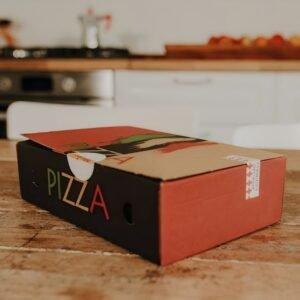
Best for: Delivery, heavy items, meal kits, large bakery cakes, shipping food.
Advantages:
-
Strong and durable
-
Ideal for logistics
-
Multi-layer protection
-
More eco-friendly than plastic
C. Kraft Paper Food Boxes
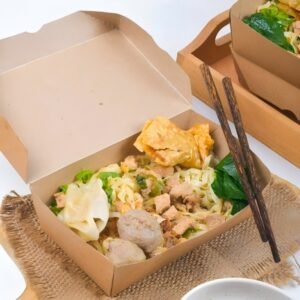
Best for: Sustainable brands, organic bakeries, eco-conscious restaurants.
Advantages:
-
Fully recyclable
-
Natural look and feel
-
Grease-resistant options
-
Strong and durable
D. Specialty Food-safe Coatings
Greaseproof coating
Moisture barrier coating
PLA biodegradable lining
These enhance performance while staying eco-friendly.
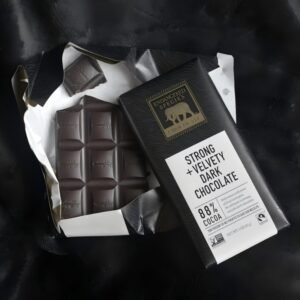
E. Rigid Gift Boxes (Food & Confectionery)
Best for: Luxury chocolate, premium cookies, festive bakery gifts, wine sets.
Advantages:
-
High-end presentation
-
Durable
-
Ideal for gifting
-
Strong branding impact
5. How to Choose Food Packaging Boxes by Product Type
Here is how to choose the right box depending on the food category:
Bakery Products
Examples: cakes, pastries, macarons, cookies
Needs:
-
Sturdy base
-
Window cut-outs
-
Grease resistance
-
Insert trays
Recommended:
-
Paperboard boxes
-
Rigid boxes for luxury bakery
-
Kraft window boxes
Fast Food & Takeout
Examples: burgers, fries, fried chicken, sandwiches
Needs:
-
Heat retention
-
Breathability
-
Greaseproof coating
-
Easy handling
Recommended:
-
Corrugated burger boxes
-
Kraft takeout boxes
-
Clamshell boxes
Chocolates & Confectionery
Examples: truffles, candies, pralines
Needs:
-
Temperature stability
-
Luxury aesthetics
-
Insert trays
Recommended:
-
Rigid boxes
-
Magnetic closure boxes
-
Drawer-style boxes
Coffee & Tea Packaging
Needs:
-
Aroma protection
-
Airtight lining
-
Strong branding
Recommended:
-
Kraft boxes
-
Coffee mailer boxes
-
Foil-lined pouches + outer box
Frozen & Refrigerated Foods
Needs:
-
Moisture resistance
-
Structural durability
-
Temperature endurance
Recommended materials:
-
Coated board
-
Moisture-proof corrugated
6. Sustainability in Food Packaging
Eco-friendly packaging is no longer optional—it’s a consumer expectation.
Popular sustainable options:
-
Kraft paper
-
Recyclable corrugated
-
Compostable coatings
-
Plastic-free window film
Sustainability also improves brand reputation and increases customer loyalty.
7. Branding, Design & Customer Experience
Packaging design is your visual identity.
A strategic design should include:
-
clear logo placement
-
brand colors
-
product information
-
storytelling elements
-
premium finishes
-
window cut-outs
The unboxing experience
A beautiful bakery box or chocolate box can turn into social media content.
8. Regulatory Compliance & Labeling
When choosing the right food packaging boxes, ensure compliance with:
-
FDA food-safe materials
-
EU food contact regulations
-
Recycling labeling requirements
-
Allergen warnings
-
Net weight & expiration labels
Non-compliance can cause fines, recalls, or shipment issues.
9. Cost Optimization & Logistics Considerations
Cost does not only refer to the price of the box—it affects your entire supply chain.
How to optimize cost:
-
Choose lighter materials
-
Use folding structures to save shipping
-
Order in bulk
-
Use multi-purpose box sizes
-
Avoid unnecessary coatings
Logistics-friendly packaging reduces:
-
storage costs
-
shipping fees
-
damage rate
10. Choosing the Right Food Packaging Supplier
A strong packaging supplier should offer:
1. Material options
2. Structural engineering support
3. Sample making
4. Fast lead time
5. Certifications for food contact
6. Low MOQ for startups
7. Full customization capability
8. Sustainable materials
Choosing the right supplier ensures quality, reliability, and brand consistency.
11. Conclusion: How to Choose the Right Food Packaging Boxes for Your Brand
Choosing the right food packaging boxes requires understanding your product, brand identity, logistics needs, sustainability goals, and the experience you want your customers to have.
Great packaging:
-
protects your food
-
delights your customers
-
strengthens your brand
-
reduces costs
-
increases repeat purchases
Whether you’re running a cafe, bakery, fast-food chain, confectionery shop, or food factory, the right food box is not an expense—it’s an investment in your brand.