Table of Contents
- 1. Introduction: Why Coffee Packaging Matters More Than Ever in 2025
- 2. Understanding the Unique Needs of Coffee Packaging
- 3. Best Packaging for Coffee Beans and Ground Coffee
- 4. Materials Used in Coffee Packaging Boxes
- 5. Structural Options for Coffee Packaging Boxes
- 6. Sustainable Coffee Packaging Solutions
- 7. Design & Branding Considerations for Coffee Brands
- 8. Coffee Packaging and Shelf-Life Protection Technologies
- 9. How Coffee Packaging Affects Consumer Perception & Buying Decisions
- 10. Cost Considerations: Balancing Quality and Budget
- 11. How to Choose the Right Coffee Packaging Boxes
- 12. Common Mistakes Coffee Brands Make—and How to Avoid Them
- 13. Choosing the Right Packaging Supplier
- 14. Conclusion
1. Introduction: Why Coffee Packaging Matters More Than Ever in 2025
Coffee is no longer just a commodity—it is a premium lifestyle product, a craft beverage, and a significant part of global consumer culture. As specialty coffee consumption continues to grow, so does the importance of packaging. In 2025, coffee brands face increasing competition, rising consumer expectations, and a strong demand for sustainability. Packaging is no longer a simple container—it is a critical component of product freshness, brand identity, shelf appeal, and customer loyalty.
Whether selling whole coffee beans or ground coffee, your packaging must do more than protect the product. It must differentiate your brand, tell your story, meet regulatory standards, and enhance the customer experience both online and in-store. That’s why choosing the right coffee packaging boxes is one of the most impactful business decisions a coffee brand can make today.
2. Understanding the Unique Needs of Coffee Packaging
Coffee is a highly sensitive product. Its freshness, aroma, and flavor are influenced by exposure to oxygen, light, humidity, temperature, and contamination. Therefore, coffee packaging must address several critical needs:
2.1 Barrier Protection
Coffee releases carbon dioxide after roasting—a process known as degassing. Without proper valves or barrier layers, packaging can swell or burst.
2.2 Freshness Retention
Oxygen and moisture rapidly degrade coffee quality. Packaging must offer oxygen and moisture barriers to extend shelf life.
2.3 Structural Protection
Boxes protect coffee pouches during shipping, preventing crushing, tearing, or puncturing.
2.4 Branding & Storytelling
Coffee buyers—especially specialty coffee consumers—care deeply about origin, roasting method, tasting notes, and brand identity.
2.5 Sustainability Expectations
Eco-conscious consumers expect recyclable, compostable, biodegradable, or reduced-plastic packaging.
Understanding these needs forms the foundation of choosing the best packaging for coffee beans and ground coffee.
3. Best Packaging for Coffee Beans and Ground Coffee
Whether selecting pouches or boxes, the best packaging must maintain freshness while enhancing the brand experience.
3.1 Whole Coffee Beans
Whole beans retain freshness longer than ground coffee and benefit from:
-
High-barrier packaging (foil-lined or multi-layer)
-
Degassing valves
-
Resealable zippers
-
Light-blocking materials
3.2 Ground Coffee
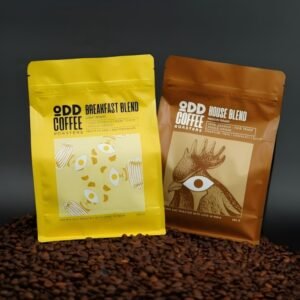
Ground coffee oxidizes much faster and requires:
-
Stronger oxygen barriers
-
Vacuum sealing
-
Protective structural boxes
-
Minimal headspace
3.3 Preferred Strong Performers
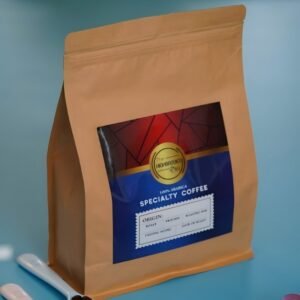
The best packaging for coffee beans and ground coffee typically includes:
-
High-barrier laminated pouches packed inside custom printed boxes
-
Rigid or paperboard boxes with internal pouches
-
Eco-friendly kraft boxes paired with biodegradable or recyclable inner bags
-
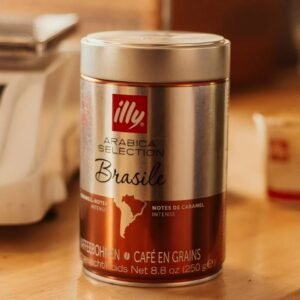
Tin-tie boxes for retail shelf displays
The combination of flexible film + outer box remains the gold standard for both e-commerce and retail brands.
4. Materials Used in Coffee Packaging Boxes
Coffee packaging boxes can be made from different materials, each offering unique benefits.
4.1 Paperboard
Lightweight, cost-effective, and ideal for:
-
Retail packaging
-
Custom printing
-
Inner pouches
4.2 Kraft Paper
Eco-friendly, rustic, and fully recyclable. Popular among sustainable coffee brands.
4.3 Corrugated Cardboard
More durable and ideal for:
-
E-commerce
-
Subscription boxes
-
Wholesale packaging
4.4 Rigid Paperboard
Premium look for high-end or luxury coffee gift sets.
4.5 Eco Materials
Such as:
-
Recycled kraft
-
FSC-certified paper
-
Compostable film linings
-
Water-based inks
Material choice affects sustainability, print quality, durability, and consumer perception.
5. Structural Options for Coffee Packaging Boxes
Structure plays a key role in both protection and consumer experience.
5.1 Folding Cartons
Common for retail shelves and lightweight products.
5.2 Corrugated Mailer Boxes
Protective for e-commerce shipments.
5.3 Display Boxes
Used for retail promotions or multi-packs.
5.4 Rigid Gift Boxes
For premium brands and holiday gifting.
5.5 Tin-Tie Boxes
A classic for coffee shops, farmers markets, and boutique brands.
5.6 Custom Shapes with Windows
Showcase the beans while maintaining freshness.
5.7 Box + Bag Combination
The industry standard structure:
-
Inner high-barrier pouch
-
Outer custom box for branding
This combination balances freshness, durability, and visual appeal.
6. Sustainable Coffee Packaging Solutions
With sustainability being a major driver in consumer purchasing decisions, brands must take eco-friendly solutions seriously.
6.1 Materials
-
Recyclable kraft boxes
-
Compostable bio-based films
-
Recycled cardboard
-
Plastic-free liners
6.2 Reduced Material Usage
Right-sizing boxes reduces waste and carbon emissions.
6.3 Minimalist Printing
Soy inks, water-based inks, and minimal-color designs reduce environmental impact.
6.4 Reusable Packaging
Tin-tie boxes and reusable tins appeal to eco-conscious consumers.
6.5 Certification Options
-
FSC-certified paper
-
Recyclable label certifications
-
Compostable packaging symbols
A commitment to sustainable coffee packaging solutions strengthens brand credibility and market positioning.
7. Design & Branding Considerations for Coffee Brands
Coffee is personal. Your packaging must reflect your brand story and communicate with your target market.
7.1 Design Elements
-
Colors that reflect flavors or origins
-
Easily readable information
-
Minimalist or luxury design
-
Story-driven messaging
7.2 Key Information to Include
-
Roast date
-
Origin & tasting notes
-
Processing method
-
Brew recommendations
7.3 Inside or Outside Printing
Inside printing enhances the unboxing experience for premium brands.
7.4 Texture & Finishes
-
Matte lamination
-
Foil stamping
-
Spot UV
-
Embossing
These elevate the perceived value of your coffee.
8. Coffee Packaging and Shelf-Life Protection Technologies
Shelf-life protection is essential for coffee quality.
8.1 Degassing Valves
Allow CO₂ to escape while preventing oxygen from entering.
8.2 High-Barrier Multi-Layer Laminates
Protect against oxygen, moisture, and light.
8.3 Nitrogen Flushing
Replaces oxygen in the packaging.
8.4 Resealable Closures
Zippers extend freshness after opening.
8.5 Protective Outer Boxes
Prevent physical damage during shipping and storage.
9. How Coffee Packaging Affects Consumer Perception & Buying Decisions
Consumers judge coffee quality partly by packaging.
9.1 Perceived Freshness
High-barrier packaging signals premium quality.
9.2 Sustainability Cues
Eco packaging attracts Millennials and Gen Z.
9.3 Shelf Visibility
Color, typography, and structure determine retail success.
9.4 Emotional Connection
Brand storytelling builds long-term loyalty.
10. Cost Considerations: Balancing Quality and Budget
Coffee packaging is an investment—but cost control is crucial.
10.1 Factors That Influence Cost
-
Material type
-
Box structure
-
Printing technique
-
Add-on features
-
Order quantity
-
Shipping
10.2 Tips for Cost Savings
-
Order in bulk
-
Choose right-sized packaging
-
Use kraft or recyclable materials
-
Minimize color printing
-
Combine box + pouch for best cost-to-value ratio
11. How to Choose the Right Coffee Packaging Boxes
Here’s your checklist:
✔ Match Material to Product
Beans vs. ground coffee require different barrier levels.
✔ Consider Distribution Channel
Retail needs display appeal; e-commerce needs protection.
✔ Prioritize Freshness
Always choose high-barrier materials.
✔ Align with Your Brand Identity
Luxury vs. minimalist vs. eco.
✔ Choose Sustainable Options
Consumers increasingly demand it.
✔ Test the Structure
Drop tests, crush tests, and seal tests ensure safety.
✔ Work with a Reliable Supplier
Experience, certifications, and printing capability matter.
12. Common Mistakes Coffee Brands Make—and How to Avoid Them
Mistake 1: Overlooking Barrier Requirements
Always confirm oxygen and moisture transmission rates.
Mistake 2: Using Only Pouches Without Outer Protection
This leads to crushing during transport.
Mistake 3: Choosing the Wrong Size
Wasted space = higher shipping costs.
Mistake 4: Ignoring Sustainability Trends
Eco packaging is no longer optional.
Mistake 5: Poor Branding
Unclear messaging reduces shelf performance.
13. Choosing the Right Packaging Supplier
A reliable supplier should offer:
-
High print accuracy
-
Custom structural engineering
-
Eco-material options
-
Low MOQ for new brands
-
Fast sampling
-
Global shipping capability
Look for certifications such as:
-
ISO9001
-
Food-grade compliance
14. Conclusion
Choosing the right coffee packaging boxes is one of the most important decisions a coffee brand can make in 2025. High-quality packaging preserves freshness, enhances brand perception, and supports sustainability goals. By understanding barrier needs, structure options, eco materials, and consumer expectations, coffee brands can create packaging that stands out—both on the shelf and in the hearts of customers.
With the right packaging partner and a well-planned strategy, your coffee brand can grow stronger, sell more, and deliver an exceptional experience from bean to cup.