Table of Contents
- 1. What Is Eco-Friendly Packaging?
- 2. Why Eco-Friendly Packaging Matters
- 3. Materials Commonly Used in Eco-Friendly Packaging
- 4. Benefits of Eco-Friendly Packaging
- 5. Design Strategies for High-Impact Eco-Friendly Packaging
- 6. Applications Across Industries
- 7. Transitioning to Eco-Friendly Packaging
- 8. Future Trends in Eco-Friendly Packaging
- 9. Case Studies
- 10. Final Thoughts
In today’s fast-evolving global market, Eco-Friendly Packaging is no longer a trend—it’s an expectation. Consumers, retailers, and regulators increasingly demand sustainable solutions that minimize environmental impact while delivering premium user experiences. Whether you run a small e-commerce business or a multinational brand, adopting Eco-Friendly Packaging strategies can boost brand loyalty, reduce costs, and strengthen your market position.
This comprehensive guide explores the essentials of Eco-Friendly Packaging, including materials, design principles, benefits, industry applications, and actionable strategies to transition your brand toward sustainable packaging solutions.

1. What Is Eco-Friendly Packaging?
Eco-friendly packaging refers to packaging solutions designed, produced, and disposed of in ways that minimize negative environmental impact. It incorporates materials, processes, and designs that prioritize recyclability, biodegradability, and resource efficiency.
A packaging solution qualifies as eco-friendly if it:
-
Uses recyclable, biodegradable, or compostable materials
-
Minimizes plastic usage and harmful chemicals
-
Reduces waste via optimized structural design
-
Is manufactured with energy-efficient processes
-
Supports reuse and the circular economy
-
Lowers carbon footprint through lightweight and optimized logistics
Adopting eco-friendly packaging provides tangible environmental benefits while positioning your brand as socially responsible and innovative.
2. Why Eco-Friendly Packaging Matters
2.1 Consumer Preferences
Modern consumers—especially Gen Z and millennials—prioritize brands that align with their sustainability values. Packaging is the first tangible touchpoint with your brand, making eco-friendly packaging a powerful medium for communicating responsibility, transparency, and quality.
2.2 Retailer Expectations
Retail giants like Amazon, Walmart, and Target have introduced stricter sustainability standards. Brands that integrate eco-friendly packaging gain a competitive edge and maintain compliance with retail partnerships.
2.3 Regulatory Compliance
Governments worldwide are enforcing regulations to reduce packaging waste and enhance recyclability. Adopting eco-friendly packaging ensures compliance, avoiding fines, and improving corporate sustainability reporting.
2.4 Competitive Advantage
Sustainable packaging differentiates brands in saturated markets. Consumers trust brands that show environmental responsibility, creating loyalty, advocacy, and repeat purchases.
3. Materials Commonly Used in Eco-Friendly Packaging
3.1 Kraft Paper
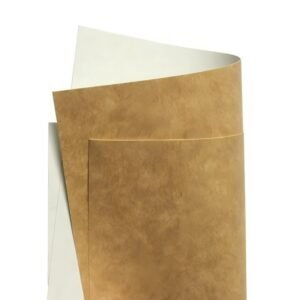
Kraft paper is widely used due to its strength, recyclability, and natural appearance. Eco-friendly packaging made from kraft paper reinforces a sustainability message while remaining functional and visually appealing.
3.2 Recycled Paperboard
Recycled paperboard uses post-consumer waste to create durable, lightweight boxes. Ideal for cosmetics, food, and apparel, it supports circular economy initiatives.
3.3 Corrugated Cardboard
Highly durable and recyclable, corrugated cardboard is the backbone of shipping and e-commerce eco-friendly packaging, offering protection and eco-credibility.
3.4 Compostable & Biodegradable Materials
Innovations in plant-based packaging, like sugarcane bagasse, wheat straw, and mushroom mycelium, allow brands to reduce reliance on plastics while maintaining product protection.
3.5 FSC-Certified Paper
FSC-certified paper guarantees sourcing from responsibly managed forests. It’s perfect for premium eco-friendly packaging, reinforcing luxury and sustainability simultaneously.
4. Benefits of Eco-Friendly Packaging
4.1 Brand Reputation
Consumers associate eco-friendly packaging with responsibility, trust, and modernity. Packaging communicates your brand’s values instantly and tangibly.
4.2 Environmental Impact Reduction
Using recyclable or biodegradable materials reduces landfill waste, plastic pollution, and carbon emissions.
4.3 Cost Efficiency
Lightweight designs reduce shipping costs, storage requirements, and material use without compromising protection.
4.4 E-Commerce Optimization
Durable yet recyclable packaging improves the supply chain experience, minimizing returns and damage for online orders.
4.5 ESG and Corporate Sustainability Goals
Implementing eco-friendly packaging contributes directly to ESG reporting, helping brands demonstrate actionable sustainability efforts.
5. Design Strategies for High-Impact Eco-Friendly Packaging
-
Minimalist Printing: Water-based inks, limited coverage, and soy-based pigments minimize environmental impact while retaining aesthetics.
-
Optimized Structure: Reduce internal layers, replace foam with paper inserts, and use reusable designs.
-
Mono-Material Design: Single-material packaging improves recyclability and consumer convenience.
-
Flat-Pack Solutions: Reduce storage space and transport emissions with foldable boxes.
-
Premium Eco-Friendly Finishes: Embossing, foil stamping with recyclable foil, or spot UV provide luxury feel while remaining sustainable.
6. Applications Across Industries
6.1 Food & Beverage
Eco-friendly packaging ensures safety, freshness, and sustainable messaging for organic foods, beverages, and bakery products.
6.2 Cosmetics & Skincare
Paperboard cartons, tubes, and rigid boxes help beauty brands eliminate plastic while supporting “clean beauty” positioning.
6.3 Fashion & Apparel
Clothing mailers, kraft bags, and boxes create premium delivery experiences that align with sustainability values.
6.4 Electronics
Paper inserts and corrugated mailers replace plastic foam, ensuring protection and recyclability.
6.5 Luxury Products
Premium brands increasingly integrate FSC-certified and reusable boxes, combining eco-friendly packaging with luxury aesthetics.
7. Transitioning to Eco-Friendly Packaging
-
Evaluate Product Needs: List sizes, fragility, and handling requirements.
-
Select Materials: Kraft, recycled board, corrugated, FSC-certified, compostable fibers.
-
Redesign Packaging: Reduce waste, optimize inserts, and create reusable structures.
-
Eco-Friendly Printing: Use water-based inks and limit coatings.
-
Communicate Sustainability: Include “100% recyclable,” “plastic-free,” or “made from recycled materials” on packaging.
8. Future Trends in Eco-Friendly Packaging
-
Plastic-free alternatives for windows, trays, and blister packs
-
Smart packaging with QR codes for recycling instructions
-
Returnable and reusable mailers and rigid boxes
-
Lightweight corrugated materials with equal strength
-
Compostable adhesives and coatings enhancing recyclability
9. Case Studies
Case Study 1: Organic Food Brand
An organic snack brand switched to kraft eco-friendly packaging with compostable liners. Results: 30% reduction in waste, 20% increase in repeat purchases, and positive customer feedback on sustainability.
Case Study 2: Cosmetics Brand
A skincare brand used FSC-certified paperboard boxes with water-based inks. Outcome: Reduced packaging costs by 15%, improved ESG score, and increased social media engagement.
10. Final Thoughts
Eco-friendly packaging is no longer optional—it’s essential. It enhances brand image, supports sustainability goals, reduces environmental impact, and creates premium customer experiences. Brands embracing eco-friendly packaging today will lead markets tomorrow, proving that sustainability and profitability can coexist.