Table of Contents
- 1. Why Chocolate Packaging Boxes Matter
- 2. Understanding Your Chocolate Brand and Audience
- 3. Key Features of Effective Chocolate Packaging Boxes
- 4. Choosing Materials for Chocolate Packaging Boxes
- 5. Design Elements for Chocolate Packaging Boxes
- 6. Sustainability and Eco-Friendly Chocolate Packaging
- 7. Custom Inserts and Compartments
- 8. Size, Shape, and Window Considerations
- 9. How to Ensure Food Safety in Chocolate Packaging Boxes
- 10. Packaging for Different Sales Channels
- 11. Cost Optimization for Chocolate Packaging Boxes
- 12. Selecting the Right Packaging Supplier
- 13. Trends in Chocolate Packaging Boxes
- 14. Real-World Examples of Effective Chocolate Packaging
- 15. Conclusion: Elevate Your Handmade Chocolates with the Right Packaging
Handmade chocolates are more than just a treat—they’re a sensory experience. The aroma, the texture, the flavor, and ultimately, the presentation all play a crucial role in how customers perceive your product. Among all these elements, chocolate packaging boxes stand out as a vital factor that communicates brand identity, ensures freshness, and elevates the overall consumer experience.
Whether you are a small artisanal chocolatier, an online chocolate subscription brand, or a luxury chocolatier, knowing how to choose the right chocolate packaging boxes can make or break your business. This guide dives deep into everything you need to know: materials, designs, structural considerations, sustainability, branding, logistics, and supplier selection.
1. Why Chocolate Packaging Boxes Matter
Chocolate is a delicate product, sensitive to heat, humidity, and physical damage. The right packaging ensures your chocolates reach your customers in perfect condition. But beyond protection, packaging also communicates your brand’s story.
Protection
Handmade chocolates are easily deformed or melted. Chocolate packaging boxes act as a shield, protecting the confectionery during transport, storage, and display.
Freshness
A well-designed box prevents exposure to air, moisture, and light, maintaining flavor, aroma, and texture. Chocolate lovers notice even subtle differences in freshness.
Branding
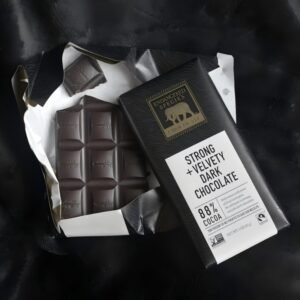
Packaging is your silent salesperson. The moment a customer sees a beautifully designed box, they connect with your brand’s quality and aesthetic.
Unboxing Experience
Luxury chocolates and handmade treats benefit from packaging that creates a memorable experience. Magnetic closures, drawer-style boxes, and ribbon ties elevate the consumer’s interaction with your product.
Sustainability
Eco-friendly packaging is increasingly important. Customers prefer recyclable, biodegradable, or reusable boxes, which enhances your brand image while reducing environmental impact.
2. Understanding Your Chocolate Brand and Audience
Before choosing your chocolate packaging boxes, define your brand and audience:
-
Luxury vs. Artisan: High-end brands can justify rigid boxes with magnetic closures and intricate finishes, whereas small artisan chocolatiers may prefer simple yet elegant kraft or paperboard boxes.
-
Target Customers: Consider who is buying your chocolates. Gift buyers may value presentation more than daily indulgence consumers.
-
Seasonality and Gifting: Holiday chocolates or wedding favors often require special packaging designs with inserts, ribbons, and personalization.
Knowing your audience ensures your packaging not only protects your product but also appeals to buyers on an emotional level.
3. Key Features of Effective Chocolate Packaging Boxes
When designing chocolate boxes, focus on features that balance functionality, aesthetics, and branding:
Structural Integrity
-
Multi-layered paperboard or corrugated structures prevent crushing.
-
Insert trays and dividers keep chocolates separate, preventing smudging or melting together.
Ease of Use
-
Consumers appreciate easy-to-open boxes. Drawer-style boxes or flip-top lids enhance the unboxing experience.
Window or Cut-Out Options
-
Transparent windows allow customers to preview the chocolates, enticing impulse purchases.
Custom Inserts
-
Molded trays, foil inserts, or paper dividers prevent chocolates from shifting during transport.
Size and Portioning
-
Decide if boxes are single-serving, multi-piece, or gift sets. Correct sizing reduces packaging waste and shipping costs.
4. Choosing Materials for Chocolate Packaging Boxes
Material selection affects durability, aesthetics, protection, and sustainability.
A. Paperboard Boxes

-
Ideal for: Lightweight chocolate bars, truffles, and small confections.
-
Advantages: Customizable, affordable, printable, recyclable.
-
Limitations: May require internal lining for oily chocolates.
B. Rigid Boxes
-
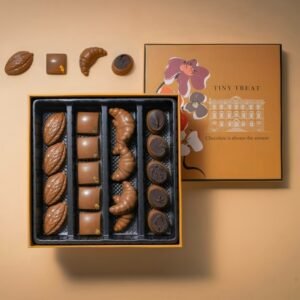
Ideal for: Luxury gift sets, holiday chocolates, and high-end assortments.
-
Advantages: Strong, premium feel, supports inserts and magnetic closures.
-
Disadvantages: Higher cost.
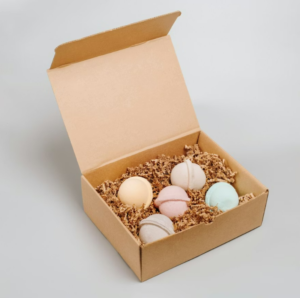
C. Kraft Boxes
-
Ideal for: Artisan brands and eco-conscious packaging.
-
Advantages: Natural look, recyclable, sturdy.
-
Can be enhanced with foil stamping or windows for premium effect.
D. Specialty Coatings and Laminations
-
Glossy or matte lamination adds luxury appeal.
-
Food-safe coatings protect chocolates from moisture and grease.
-
Biodegradable PLA or recyclable coatings enhance sustainability.
5. Design Elements for Chocolate Packaging Boxes
Design is critical for chocolate boxes—it must attract, inform, and delight.
Branding
-
Color palettes, typography, and logo placement communicate quality.
-
Seasonal editions and limited editions benefit from unique design motifs.
Luxury Finishes
-
Embossing, debossing, foil stamping, and spot UV elevate perceived value.
-
Ribbon ties, magnetic closures, and compartment dividers enhance unboxing.
Typography and Messaging
-
Clearly communicate product name, ingredients, and allergen information.
-
Include story elements—“handcrafted,” “organic,” or “artisanal”—to resonate with customers.
Photography & Print
-
High-resolution imagery on boxes can visually convey flavor or ingredients.
-
Foil or metallic accents emphasize luxury.
6. Sustainability and Eco-Friendly Chocolate Packaging
Sustainability is a key differentiator in today’s confectionery market.
-
Materials: Kraft, paperboard, recycled cardboard, or biodegradable inserts.
-
Reduced Plastic: Minimize window films, use compostable alternatives.
-
Reusable Packaging: Consider boxes designed for reuse or as keepsakes.
-
Certifications: FSC-certified materials signal environmental responsibility.
Eco-conscious customers often make repeat purchases when a brand demonstrates sustainable packaging commitment.
7. Custom Inserts and Compartments
Handmade chocolates vary in size, shape, and fragility. Custom inserts:
-
Keep chocolates separated
-
Prevent smudging and melting
-
Create uniform presentation
-
Allow for multi-tiered arrangements in gift sets
Materials for inserts can be paperboard, molded pulp, foam, or biodegradable plastic alternatives.
8. Size, Shape, and Window Considerations
Shape Options
-
Square, rectangle, heart-shaped, round
-
Tailor shape to your chocolates’ size and aesthetic
Windows
-
Transparent windows showcase the chocolates
-
Offers customers a glimpse without opening the box
-
Made from recyclable cellulose films or PET alternatives
Portioning
-
Single, duo, or multi-piece assortments
-
Modular boxes allow flexibility for gifting and retail
9. How to Ensure Food Safety in Chocolate Packaging Boxes
Chocolate packaging must adhere to food safety standards:
-
FDA or EU Food Contact Compliance: Ensure inks, coatings, adhesives, and films are food-safe.
-
Temperature Resistance: Boxes should withstand moderate heat to avoid melting.
-
Barrier Properties: Protect chocolates from humidity, oxygen, and odors.
Compliance not only protects your product but builds trust with customers.
10. Packaging for Different Sales Channels
Retail
-
Attractive shelf-ready boxes with strong branding
-
Window panels or clear lids encourage impulse purchase
E-commerce
-
Strong, durable shipping boxes
-
Inserts to prevent damage
-
Lightweight yet protective design
Gifting
-
Premium boxes with ribbons, magnetic closures, and luxury finishes
-
Multi-tiered or stackable boxes for assortments
Events & Custom Orders
-
Wedding favors, corporate gifts, or seasonal promotions
-
Personalized prints and monograms enhance perceived value
11. Cost Optimization for Chocolate Packaging Boxes
Balancing cost and quality is essential:
-
Material Selection: Paperboard for economy, rigid boxes for premium
-
Standard Sizes vs. Custom: Standard sizes reduce die-cutting and tooling costs
-
Printing Methods: Digital printing for small runs, offset or foil for larger batches
-
Multi-Purpose Designs: Use the same box for different products or occasions
-
Bulk Ordering: Reduce per-unit cost with larger runs
The right strategy ensures profitability without sacrificing quality or customer experience.
12. Selecting the Right Packaging Supplier
A reliable supplier is key to consistent, high-quality chocolate packaging boxes:
-
Offers various material options (paperboard, rigid, kraft)
-
Provides prototyping and sample support
-
Can handle custom inserts and finishing
-
Food-contact safe certifications
-
Low minimum order quantities (MOQs) for small businesses
-
Scalable production for growth
Working with the right supplier ensures your chocolates always arrive in perfect condition and on time.
13. Trends in Chocolate Packaging Boxes
-
Eco-Friendly: Kraft, biodegradable films, and minimalistic designs
-
Luxury & Premium: Rigid boxes, magnetic closures, embossing, metallic foils
-
Interactive Design: Pop-up boxes, drawer styles, windowed boxes
-
Personalization: Custom prints, names, or messages for gifting
-
Subscription-Friendly: Modular packaging for monthly chocolate boxes
Staying on-trend ensures relevance and boosts brand recognition.
14. Real-World Examples of Effective Chocolate Packaging
-
Artisanal Truffles: Rigid boxes with dividers and magnetic closures
-
Handmade Bars: Paperboard sleeve with kraft base and foil lining
-
Luxury Gift Sets: Multi-tiered drawer boxes with ribbon and embossing
-
Seasonal Chocolates: Window boxes with decorative prints for holidays
Each design protects, markets, and elevates the product.
15. Conclusion: Elevate Your Handmade Chocolates with the Right Packaging
Choosing the right chocolate packaging boxes is about more than containment—it’s about storytelling, protection, branding, and customer delight. Handmade chocolates deserve packaging that:
-
Preserves freshness and quality
-
Reflects brand identity
-
Offers a memorable unboxing experience
-
Aligns with sustainability goals
-
Works across retail, e-commerce, and gifting
Invest in packaging that elevates your chocolates, supports your business, and delights your customers. Your chocolates are handmade with care—your packaging should reflect the same level of craftsmanship.