Table of Contents
- 1. Why Child-Resistant Packaging Matters in the Supplements Industry
- 2. Regulatory Standards for Child-Resistant Packaging
- 3. Common Types of Child-Resistant Packaging for Supplements
- 4. Materials Used in Child-Resistant Supplement Packaging
- 5. Designing Child-Resistant Packaging Without Hurting User Experience
- 6. Sustainability and Child-Resistant Packaging
- 7. Branding Opportunities in Child-Resistant Supplement Packaging
- 8. Cost Considerations and Supply Chain Impact
- 9. How to Choose the Right Child-Resistant Packaging Partner
- 10. Future Trends in Child-Resistant Supplement Packaging
- Final Thoughts
As the global supplements market continues to grow, child-resistant packaging for supplements has become a non-negotiable requirement for responsible brands. From regulatory compliance to consumer trust, packaging is no longer just about containment—it is about safety, credibility, and long-term brand value.
This guide explains how to choose the right child-resistant packaging solutions for supplements, covering materials, structures, regulations, and commercial considerations—while balancing usability for adults.
1. Why Child-Resistant Packaging Matters in the Supplements Industry
Dietary supplements often contain concentrated vitamins, minerals, or botanical extracts that can be harmful if consumed by children. This is why child-resistant packaging for supplements plays a critical role in product safety.
Key reasons brands must prioritize child-resistant solutions:
-
Supplements often resemble candy or gummies
-
Accidental ingestion is a major risk for children under 5
-
Retailers and marketplaces increasingly require certified packaging
-
Packaging failures can result in recalls, lawsuits, and brand damage
Effective supplement packaging protects not only children, but also your brand reputation and regulatory standing.
2. Regulatory Standards for Child-Resistant Packaging
Before selecting packaging, brands must understand the regulatory frameworks that define child-resistant packaging for supplements.
Major Compliance Standards
-
U.S. CPSC (16 CFR §1700) – Poison Prevention Packaging Act
-
ISO 8317 – International child-resistant and senior-friendly standard
-
ASTM D3475 – Reclosable child-resistant packaging testing
To be compliant, packaging must:
-
Be difficult for children under 5 to open
-
Remain accessible for adults, including seniors
-
Pass certified panel testing
Using non-compliant supplement packaging can result in distribution bans or penalties.
3. Common Types of Child-Resistant Packaging for Supplements
Different supplement formats require different child-resistant structures. Below are the most widely used options.
Child-Resistant Bottles
Plastic or glass bottles with push-and-turn or squeeze-and-turn caps are the most common child-resistant packaging for supplements.
Best for:
-
Capsules
-
Tablets
-
Powders
Advantages include reusability and low cost, making them ideal for mass-market supplement brands.

Blister Packaging with Child-Resistant Features
Blister packs designed with peel-push or reinforced foil layers prevent easy access by children.
Best for:
-
Single-dose supplements
-
Pharmaceutical-style nutraceuticals
Blister-based supplement packaging also improves dosage control and shelf stability.
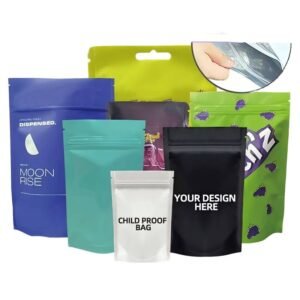
Child-Resistant Paperboard Boxes with Inner Locks
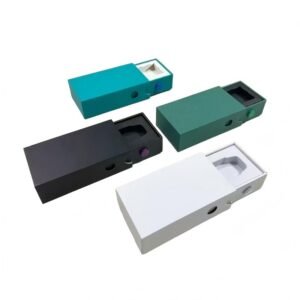
Increasingly popular for premium brands, these boxes combine compliant closures with sustainable materials.
Best for:
-
Gummies
-
Sachets
-
Stick packs
This approach allows brands to align child-resistant packaging for supplements with eco-conscious positioning.
4. Materials Used in Child-Resistant Supplement Packaging
Material selection impacts safety, sustainability, and cost.
Plastic (HDPE / PP)
-
Durable and cost-effective
-
Common in bottles and caps
-
Widely accepted in regulated supplement packaging
Glass
-
Premium appearance
-
Requires secondary child-resistant closures
-
Suitable for high-end supplements
Paperboard & Molded Pulp
-
Increasingly used for outer packaging
-
Supports sustainable branding
-
Must integrate certified child-resistant mechanisms
Choosing the right material ensures your supplement packaging meets both functional and marketing goals.
5. Designing Child-Resistant Packaging Without Hurting User Experience
One challenge brands face is balancing child resistance with adult usability.
Best practices include:
-
Clear opening instructions
-
Tactile cues for correct handling
-
Ergonomic grip designs
-
Senior-friendly testing
A well-designed child-resistant packaging for supplements solution should feel intuitive to adults while remaining inaccessible to children.
6. Sustainability and Child-Resistant Packaging
Sustainability is no longer optional—even in regulated packaging.
Brands are now adopting:
-
Recyclable child-resistant caps
-
Paper-based outer boxes
-
Reduced plastic usage without compromising safety
Modern supplement packaging can meet both environmental and compliance goals when designed correctly.
7. Branding Opportunities in Child-Resistant Supplement Packaging
Contrary to outdated beliefs, child-resistant packaging does not limit branding potential.
Opportunities include:
-
Custom-printed outer boxes
-
Premium finishes on compliant structures
-
Storytelling through sustainable materials
High-quality child-resistant packaging for supplements enhances perceived value while reinforcing trust.
8. Cost Considerations and Supply Chain Impact
While child-resistant features add cost, they often reduce long-term risk.
Cost factors include:
-
Certification testing
-
Specialized closures
-
Tooling for custom structures
However, compliant supplement packaging lowers the risk of recalls, legal action, and retailer rejection—saving money over time.
9. How to Choose the Right Child-Resistant Packaging Partner
Not all packaging suppliers understand regulatory compliance.
When sourcing child-resistant packaging for supplements, look for partners who:
-
Offer certified packaging solutions
-
Understand supplement regulations
-
Provide testing documentation
-
Support scalable production
Choosing the right supplier is as important as choosing the packaging itself.
10. Future Trends in Child-Resistant Supplement Packaging
The future of supplement packaging is moving toward:
-
Smarter locking mechanisms
-
More sustainable materials
-
Integrated compliance + branding solutions
Brands that invest early in advanced child-resistant packaging for supplements will gain a competitive advantage.
Final Thoughts
Child-resistant packaging for supplements is no longer just a regulatory checkbox—it is a strategic brand decision. From safety and compliance to sustainability and consumer trust, the right packaging solution protects both people and products.
As supplement brands compete in an increasingly crowded market, investing in well-designed, compliant supplement packaging is one of the smartest long-term decisions a brand can make.