Table of Contents
- Introduction: The Strategic Role of Chocolate Packaging Boxes
- What Are Chocolate Packaging Boxes?
- Core Functions of Chocolate Packaging Boxes
- Popular Types of Chocolate Packaging Boxes
- Materials Used in Chocolate Packaging Boxes
- Design Considerations for Chocolate Packaging Boxes
- Sustainability Trends in Chocolate Packaging
- Chocolate Packaging Boxes for Different Market Segments
- Cost Factors in Chocolate Packaging Boxes
- Chocolate Packaging Boxes vs Flexible Packaging
- How to Choose the Right Chocolate Packaging Box Supplier
- Better Packaging: Your Custom Chocolate Packaging Boxes Manufacturer
Introduction: The Strategic Role of Chocolate Packaging Boxes
In the global chocolate market, product quality alone is no longer enough to win customers. Packaging plays a decisive role in how chocolates are perceived, protected, and remembered. Well-designed chocolate packaging boxes not only safeguard delicate products but also communicate brand positioning, craftsmanship, and value.
For artisan chocolatiers, packaging tells a story of origin and craftsmanship. For premium and luxury brands, it reinforces exclusivity and gift-worthiness. For mass-market brands, it balances cost efficiency with shelf visibility. As consumer expectations continue to rise—especially around sustainability and design—chocolate packaging has evolved into a critical business investment rather than a simple cost.
This in-depth guide explores everything brands need to know about packaging boxes for chocolate, from materials and structures to sustainability, cost considerations, and custom manufacturing solutions.
What Are Chocolate Packaging Boxes?
Chocolate packaging boxes are rigid or semi-rigid paper-based packaging solutions specifically designed to store, protect, and present chocolate products. Unlike flexible packaging, boxes provide enhanced structural strength, premium aesthetics, and better opportunities for branding and customization.
They are widely used for:
- Chocolate bars
- Truffles and pralines
- Assorted chocolate gift sets
- Seasonal and limited-edition chocolates
- Corporate and promotional gifts
Depending on the product and market positioning, Packaging boxes for chocolate may include inserts, dividers, windows, special coatings, or luxury finishes.
Core Functions of Chocolate Packaging Boxes
1. Protection and Preservation
Chocolate is highly sensitive to heat, moisture, light, and physical pressure. High-quality chocolate packaging boxes are designed to:
- Prevent breakage during transport
- Reduce exposure to moisture and humidity
- Support secondary protective layers such as foil or inner wraps
While boxes alone do not control temperature, their structure helps maintain product integrity throughout the supply chain.
2. Brand Communication
Packaging is often the first physical interaction a customer has with a chocolate brand. Colors, textures, finishes, and typography all influence perception. Premium chocolate packaging boxes help convey:
- Quality and craftsmanship
- Flavor profile or cocoa origin
- Brand story and values
3. Gift and Unboxing Experience
Chocolate is frequently purchased as a gift. Well-designed boxes enhance the unboxing experience, increasing emotional value and encouraging repeat purchases.
4. Compliance and Food Safety
Chocolate packaging boxes must comply with food safety regulations, including the use of food-grade materials, safe inks, and protective coatings that prevent contamination.
Popular Types of Chocolate Packaging Boxes
Folding Carton Chocolate Packaging Boxes
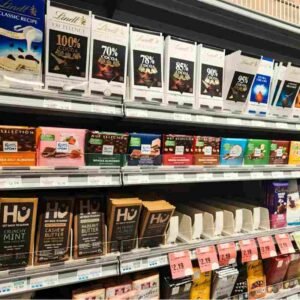
Folding cartons are lightweight, cost-effective, and ideal for high-volume retail chocolates such as bars and small assortments. They support high-quality printing and are easy to customize.
Best for:
- Retail shelves
- Chocolate bars
- Everyday confectionery products

Rigid Chocolate Packaging Boxes
Rigid boxes are associated with luxury and premium chocolates. They offer superior protection and a high-end unboxing experience, making them ideal for gift sets.
Best for:
- Luxury chocolates
- Corporate gifts
- Limited editions

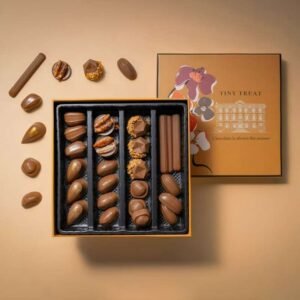
Chocolate Packaging Boxes With Inserts
Custom inserts—made from paperboard, molded pulp, or cardboard—secure individual chocolates in place, preventing movement and damage.
Best for:
- Truffles and pralines
- Assorted chocolate collections
Window Chocolate Packaging Boxes
Window boxes feature a transparent section that allows customers to see the chocolates inside, increasing trust and shelf appeal.
Best for:
- Artisan chocolates
- Retail display packaging

Corrugated Chocolate Boxes
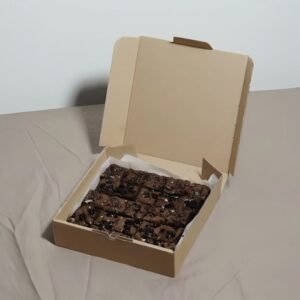
Corrugated boxes provide additional strength and are often used for shipping, subscription boxes, or bulk chocolate packaging.
Materials Used in Chocolate Packaging Boxes
Choosing the right materials is essential for both protection and branding.
Paperboard and Folding Carton Material
Commonly used for retail chocolate packaging, offering excellent print quality and cost efficiency.
Kraft Paper
Kraft chocolate packaging boxes deliver a natural, eco-friendly appearance and are popular among organic and sustainable brands.
Corrugated Cardboard
Used for shipping and e-commerce packaging, providing durability and stacking strength.
Food-Grade Coatings and Liners
Special coatings help resist moisture and grease while maintaining food safety compliance.
Design Considerations for Chocolate Packaging Boxes
Effective chocolate packaging design balances aesthetics with functionality.
Key considerations include:
- Structural strength for transport
- Color psychology aligned with flavor and brand
- Readable typography and clear labeling
- Space for regulatory information
- Compatibility with inserts and inner wraps
Good design ensures packaging boxes for chocolate stand out without compromising protection.
Sustainability Trends in Chocolate Packaging
Sustainability has become a major purchasing factor in the chocolate industry. Many brands are transitioning to eco-friendly chocolate packaging boxes by adopting:
- Recyclable paper-based materials
- FSC-certified paper
- Plastic-free or reduced-plastic designs
- Water-based inks and minimal finishes
Sustainable packaging not only reduces environmental impact but also strengthens brand credibility among eco-conscious consumers.
Chocolate Packaging Boxes for Different Market Segments
Artisan and Handmade Chocolates
Artisan brands prioritize storytelling, craftsmanship, and tactile materials. Packaging often emphasizes origin, cocoa percentage, and handmade quality.
Retail and Mass-Market Chocolates
Mass-market brands focus on cost efficiency, durability, and strong shelf impact while maintaining consistent branding.
Luxury and Gift Chocolates
Luxury chocolate packaging boxes highlight exclusivity through rigid structures, premium finishes, and elegant color palettes.
Cost Factors in Chocolate Packaging Boxes
The cost of packaging boxes for chocolate depends on several factors:
- Box structure and size
- Material thickness and quality
- Printing method and finishes
- Insert design complexity
- Order quantity and production volume
While premium packaging increases upfront costs, it often delivers higher perceived value and stronger brand loyalty.
Chocolate Packaging Boxes vs Flexible Packaging
Compared to pouches and wrappers, chocolate packaging boxes offer:
- Better product protection
- Greater branding space
- A more premium customer experience
This makes boxes especially suitable for gift chocolates and specialty products.
How to Choose the Right Chocolate Packaging Box Supplier
When selecting a packaging supplier, brands should consider:
- Experience in food-grade packaging
- Customization capabilities
- Material sourcing and sustainability options
- Quality control and compliance standards
- Production capacity and lead times
A reliable supplier ensures consistent quality and long-term scalability.
Better Packaging: Your Custom Chocolate Packaging Boxes Manufacturer
At Better Packaging, we specialize in manufacturing high-quality chocolate packaging boxes for global brands.
Our solutions include:
- Folding carton and rigid chocolate boxes
- Custom inserts and window designs
- Food-grade and eco-friendly materials
- Advanced printing and finishing options
- Factory-direct pricing and worldwide delivery
👉 Contact Better Packaging today to develop chocolate packaging boxes that protect your products, enhance your brand image, and drive sales.