
Why Box Type Matters More Than You Think
Choosing the right box type is not just a packaging decision—it’s a business decision.
The wrong packaging can lead to damaged products, higher shipping costs, poor customer experience, and even negative brand perception. The right packaging, on the other hand, protects your product, supports your brand image, and helps you control costs while meeting sustainability expectations.
This guide is designed to help you choose the right box type based on your product, budget, and shipping needs, whether you are launching a new brand or optimizing existing packaging.
Step 1: Understand Your Product Requirements
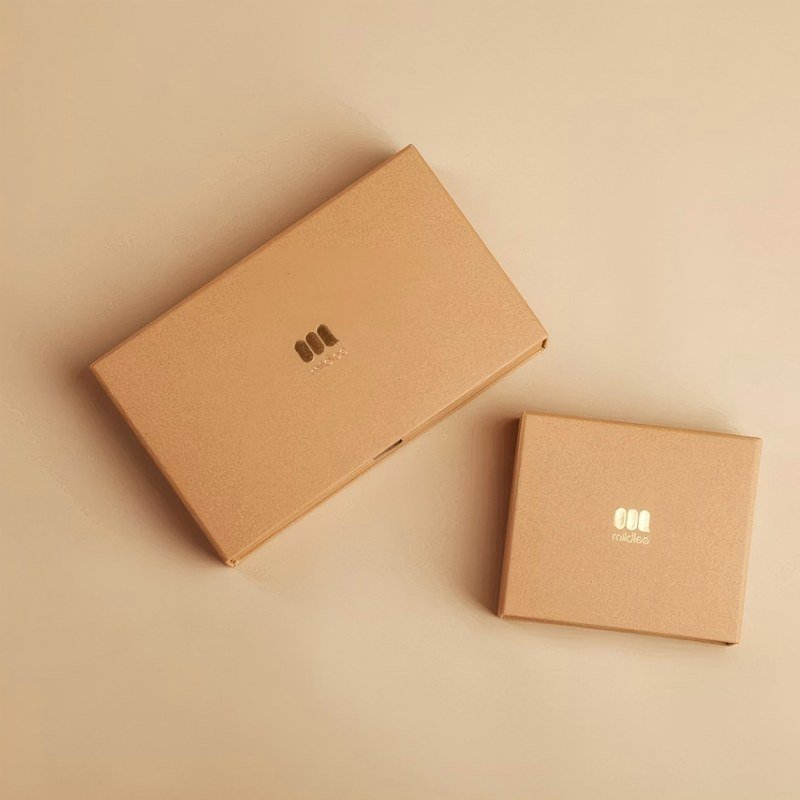
Product Size & Weight
- Lightweight products often work well with folding cartons or mailer boxes.
- Heavy products require stronger structures such as corrugated boxes or rigid setup boxes.
- Oversized products may need custom die-cut corrugated packaging.
Fragility
If your product is fragile, consider:
-
Corrugated boxes with protective inserts
-
Double-wall corrugated structures
-
Rigid boxes with custom foam or paper inserts
Packaging should absorb shock, not just look good.
Step 2: Consider How the Product Will Be Shipped
E-commerce & International Shipping
For products shipped through courier networks or international freight:
-
Corrugated mailer boxes offer excellent protection
-
E-flute or B-flute corrugated board balances strength and cost
-
Inserts help prevent movement during transit
Retail & In-Store Display
For products mainly sold in stores:
-
Folding carton boxes are cost-effective and visually appealing
-
Custom printing helps improve shelf visibility
-
Flat-pack design reduces storage costs
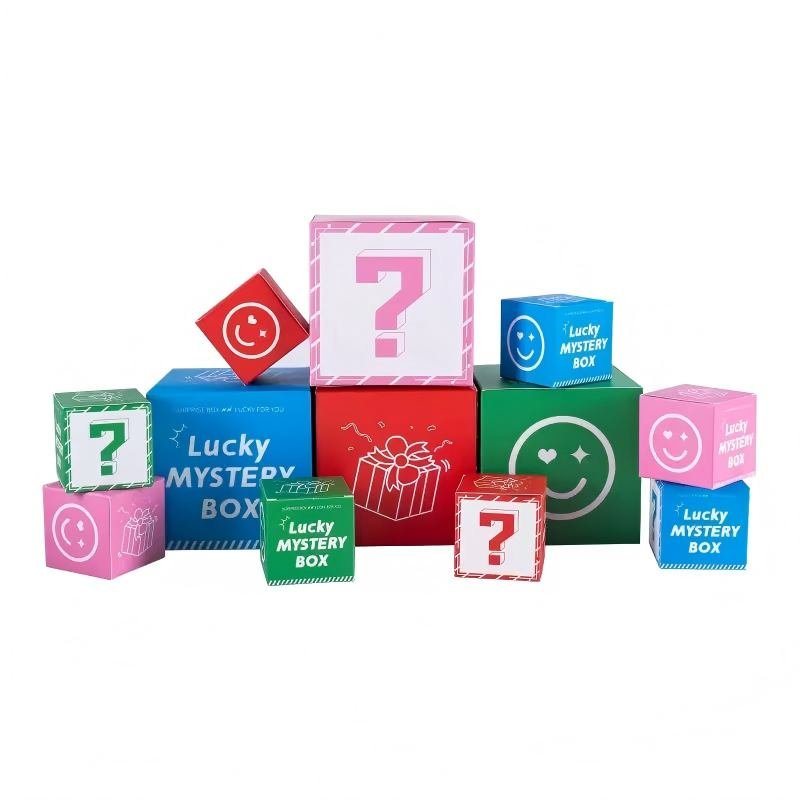
Step 3: Match Box Type With Brand Positioning
Common Box Types & When to Use Them
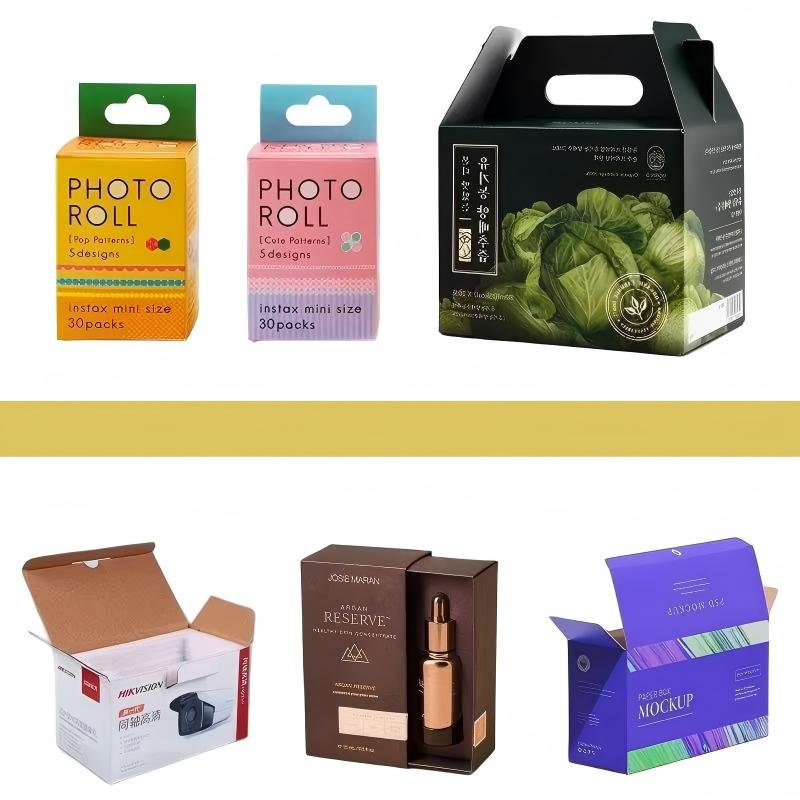
Corrugated Boxes
Best for: Shipping, e-commerce, logistics
Why: Strong, durable, cost-effective
Common uses: Subscription boxes, electronics, food shipping
Rigid Boxes (Setup Boxes)
Best for: Premium and luxury products
Why: High-end appearance, sturdy structure
Common uses: Jewelry, electronics, luxury gifts
Folding Carton Boxes
Best for: Retail packaging
Why: Lightweight, printable, affordable
Common uses: Cosmetics, candles, food products
Mailer Boxes
Best for: Direct-to-consumer brands
Why: Easy assembly, strong structure, flat shipping
Common uses: Subscription services, apparel, beauty brands
Step 4: Choose the Right Packaging Material
Material selection directly affects protection, appearance, cost, and sustainability.
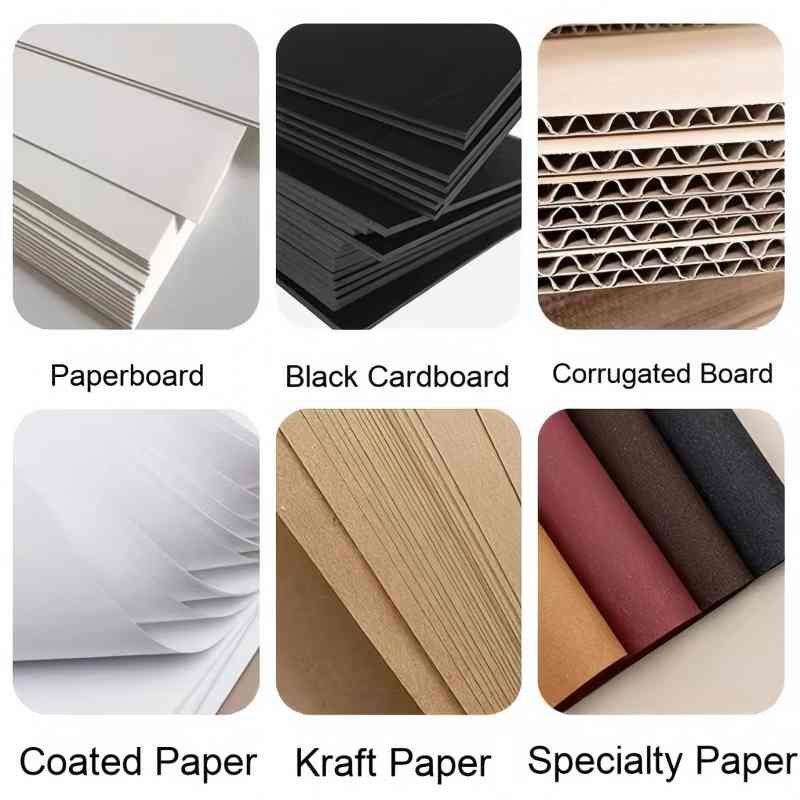
Common Packaging Materials
| Material | Key Benefits | Best For |
|---|---|---|
| Corrugated Board | Strong, shock-resistant | Shipping & e-commerce |
| Paperboard | Smooth surface, printable | Retail cartons |
| Rigid Chipboard | Thick, durable, premium | Luxury packaging |
| Kraft Paper | Recyclable, natural look | Eco-friendly brands |
Many European and American buyers now prefer FSC-certified and recyclable materials, making sustainability an important factor in material selection.
Step 5: Factor in Sustainability Requirements
Eco-friendly packaging is no longer optional in many markets.
When choosing a box type, consider:
-
Is the material recyclable?
-
Does it use FSC-certified paper?
-
Can plastic components be eliminated?
-
Does the packaging align with your brand’s sustainability message?
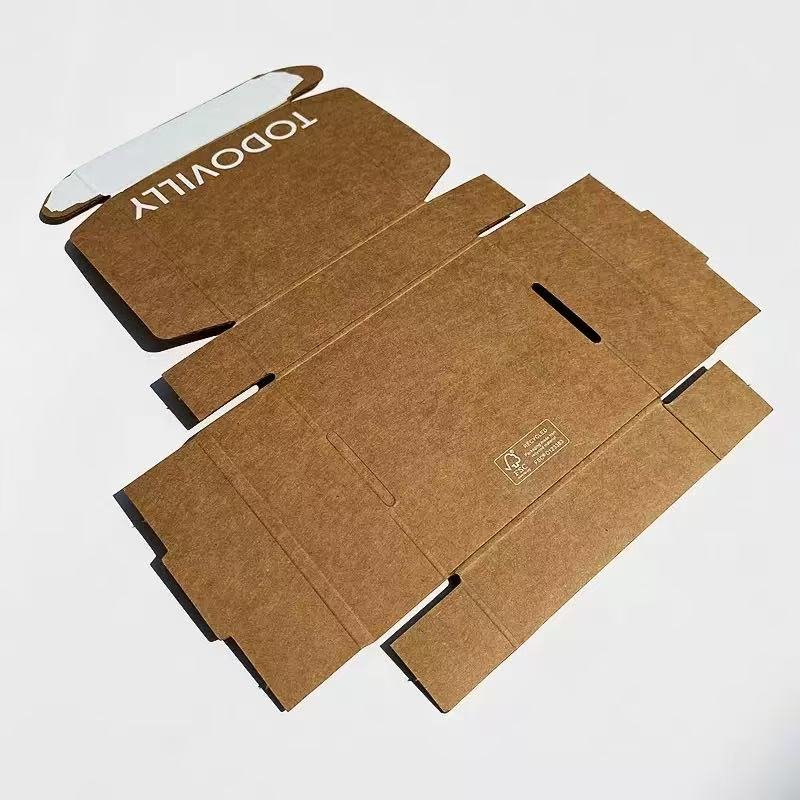
Kraft boxes, recyclable corrugated packaging, and plastic-free designs are increasingly popular among eco-conscious brands.
Step 6: Balance Cost, MOQ, and Customization
Custom packaging does not have to mean high cost.
Cost-Saving Tips
-
Choose standard box structures when possible
-
Use flat-pack designs to reduce shipping costs
-
Start with low MOQ options to test the market
Customization Options
-
Custom sizes
-
Logo printing
-
Surface finishes (matte, gloss, soft-touch)
-
Inserts for protection and presentation
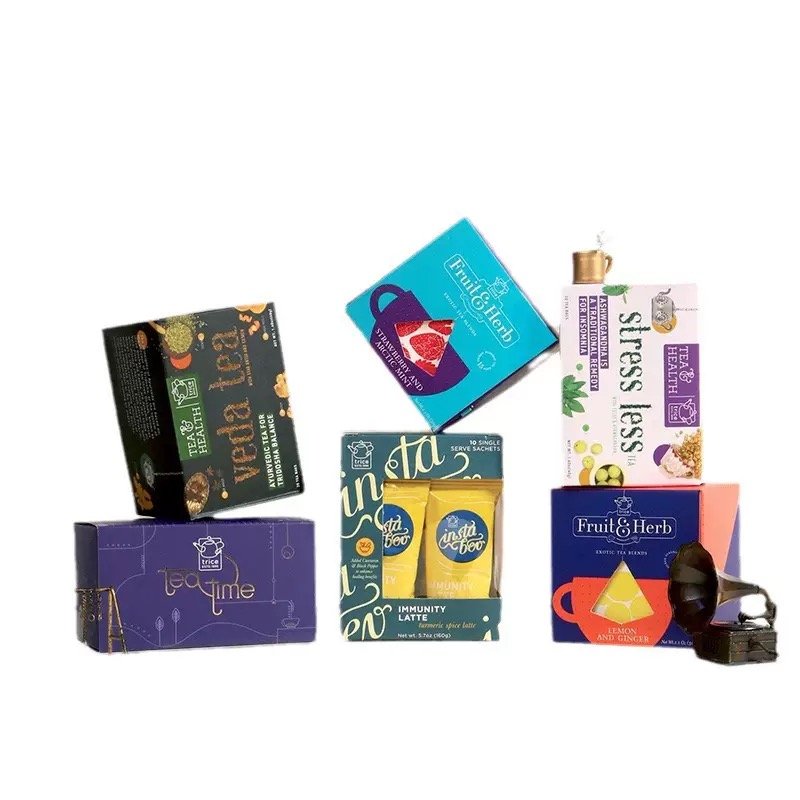
Many brands start with low MOQ custom packaging and scale up once the product gains traction.
Step 7: Work With an Experienced Packaging Manufacturer
A reliable packaging manufacturer does more than produce boxes—they help you avoid mistakes.
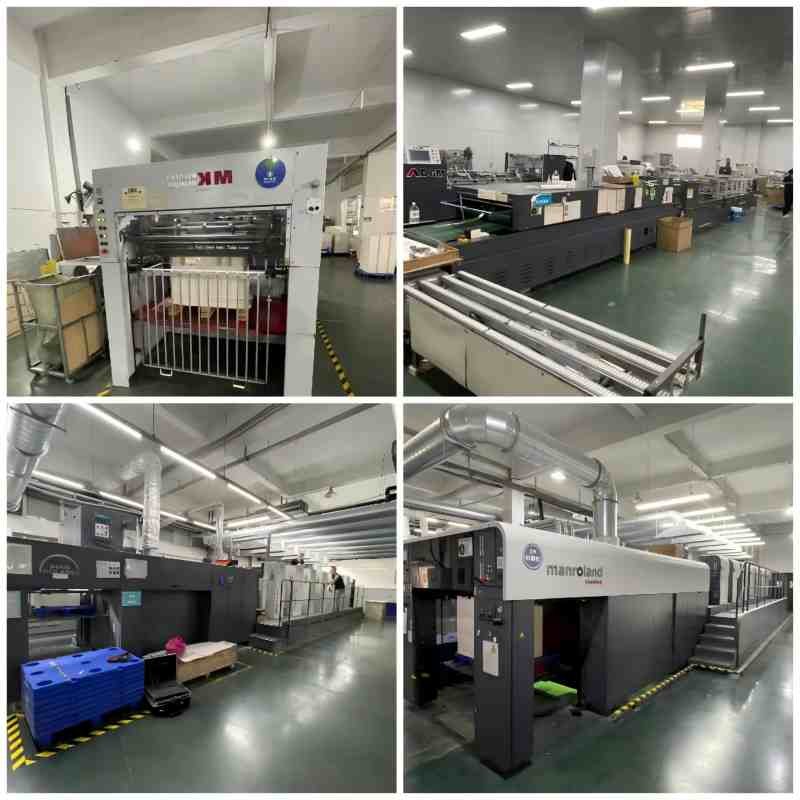
Look for a supplier who:
-
Offers structural design support
-
Provides samples before mass production
-
Explains material and cost differences clearly
-
Supports international shipping and export requirements
At Better Packaging, we help brands choose the right box type by evaluating product needs, shipping conditions, branding goals, and budget—ensuring your packaging works as hard as your product does.
Conclusion: Make Packaging a Competitive Advantage
The right box type protects your product, strengthens your brand, and improves customer satisfaction. Instead of guessing, use a structured approach to select packaging that fits your product and market.
If you’re unsure where to start, our packaging experts are here to help.
👉 Request a custom packaging solution from Better Packaging today.