Table of Contents
- 1. Why Packaging for Electronics Matters
- 2. Understanding Fragile Electronics and Packaging Needs
- 3. Shockproof Packaging Structures
- 4. Luxury Tech Packaging Boxes
- 5. Designing an Exceptional Unboxing Experience
- 6. Packaging Inserts for Small Electronics
- 7. Eco-Friendly Packaging Solutions
- 8. Reducing Shipping Damage
- 9. Smart Packaging Trends in Consumer Electronics
- 10. Magnetic Rigid Boxes vs Drawer Boxes for Premium Electronics
- 11. Choosing the Right Packaging Supplier
- 12. Cost Considerations
- 13. Common Mistakes to Avoid
- 14. Case Studies
- 15. Conclusion
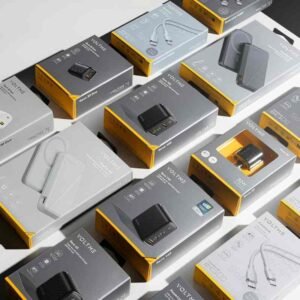
In today’s fast-paced consumer electronics market, packaging for electronics is no longer just a protective layer. It’s a critical component of brand identity, product safety, and the customer experience. From smartphones and smartwatches to headphones, drones, and gaming peripherals, electronics are delicate, high-value items that demand thoughtful packaging design. The right packaging safeguards the product, enhances the unboxing experience, and communicates brand quality.
This comprehensive guide covers every aspect of packaging for electronics, including shockproof structures, luxury packaging options, eco-friendly solutions, unboxing strategies, and tips for selecting suppliers.
1. Why Packaging for Electronics Matters
Electronics are fragile, sensitive to shocks, and prone to damage if not handled properly. High-quality packaging for electronics ensures:
-
Product Protection: Prevents damage during shipping, storage, and handling.
-
Brand Perception: Premium packaging communicates quality and attention to detail.
-
Customer Engagement: A memorable unboxing experience builds loyalty and encourages social sharing.
-
Sustainability: Eco-conscious packaging reduces environmental impact and appeals to modern consumers.
Neglecting packaging can lead to product returns, negative reviews, and lost revenue, making it a crucial investment for electronics brands.
2. Understanding Fragile Electronics and Packaging Needs
Each type of electronic device has unique requirements:
-
Smartphones and Tablets: Require shock-absorbing inserts and anti-static materials.
-
Wearables: Small and delicate, often packaged with premium rigid boxes and velvet inserts.
-
Headphones and Audio Equipment: Bulky components need cushioned compartments and secure closures.
-
Gaming Accessories and Peripherals: Irregular shapes benefit from custom foam or molded inserts.
Analyzing product fragility, weight, and dimensions is the first step in designing effective packaging for electronics.
3. Shockproof Packaging Structures
Protecting electronics from damage is the most critical function of packaging. Common shockproof structures include:
3.1 Foam Inserts
-
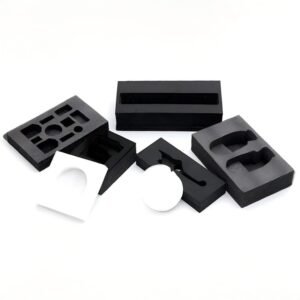
Custom-cut foam provides snug fits for devices and accessories.
-
Materials like polyurethane or EVA foam are lightweight yet protective.
-
Ideal for fragile items like cameras or smartwatches.
3.2 Molded Pulp Inserts
-
Eco-friendly alternative to foam.
-
Conforms to device shape, offering both cushioning and stability.
-
Recyclable and biodegradable, supporting sustainable packaging initiatives.
3.3 Air Cushioning and Bubble Wrap
-
Adds an extra layer of protection for devices during transit.
-
Lightweight and cost-effective.
-
Common for e-commerce shipments of smaller electronics.
3.4 Multi-Layered Corrugated Structures
-
Double or triple-wall corrugated boxes provide superior impact resistance.
-
Ideal for shipping laptops, gaming consoles, and other high-value electronics.
By combining these structures, brands can ensure maximum protection for their products.
4. Luxury Tech Packaging Boxes
Luxury packaging for electronics enhances perceived value and provides a premium unboxing experience. Key options include:
-
Magnetic Rigid Boxes: Durable, elegant, and reusable. Ideal for high-end devices.
-
Drawer-Style Boxes: Offers interactive opening experiences.
-
Foil Stamping and Embossing: Reinforces brand identity with a sophisticated touch.
-
Velvet or Soft-Touch Interiors: Adds tactile luxury while securely holding devices.
Premium packaging is particularly important for electronics brands looking to differentiate themselves in crowded markets.
5. Designing an Exceptional Unboxing Experience
The unboxing moment has become a marketing tool. Thoughtfully designed packaging for electronics can:
-
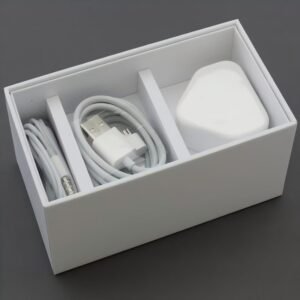
Create anticipation with layered compartments and protective inserts.
-
Include branded messages, guides, or promotional cards.
-
Separate accessories using custom inserts to avoid clutter.
-
Use magnetic closures or pull-out drawers for interactive engagement.
A memorable unboxing experience encourages social media sharing, boosting brand visibility and customer loyalty.
6. Packaging Inserts for Small Electronics
Small electronics like earbuds, fitness trackers, and USB accessories need precise insert design:
-
Custom Foam Inserts: Provide cushioning and prevent movement.
-
Velvet Inserts: Add a premium feel for high-end accessories.
-
Die-Cut Cardboard Inserts: Cost-effective and recyclable option.
-
Molded Pulp Trays: Eco-friendly and sturdy for e-commerce shipping.
Proper insert design protects products and enhances perceived value.
7. Eco-Friendly Packaging Solutions
Sustainable packaging for electronics is a growing consumer expectation:
-
Recyclable Cardboard and Inserts: Reduces environmental impact.
-
Biodegradable Foams: Replace traditional plastics with compostable materials.
-
Water-Based Inks and Coatings: Lower toxicity and enhance recyclability.
-
Minimalist Design: Reduces material usage without compromising protection.
Eco-conscious packaging strengthens brand reputation while satisfying environmentally aware consumers.
8. Reducing Shipping Damage
Effective packaging for electronics minimizes shipping risks:
-
Use appropriately sized boxes to limit movement.
-
Reinforce corners and edges for heavy or high-value devices.
-
Add protective layers such as foam, air cushions, or molded pulp inserts.
-
Label boxes as fragile to inform carriers of careful handling.
Reducing damage during transit not only protects products but also improves customer satisfaction and reduces costs from returns.
9. Smart Packaging Trends in Consumer Electronics
Technology integration in packaging enhances functionality:
-
QR Codes and NFC Tags: Provide quick access to manuals, warranties, or promotions.
-
Reusable Modular Packaging: Reduces waste and extends the lifecycle of packaging.
-
Custom Compartments: Organize accessories, cables, and devices for convenience.
-
Interactive Experiences: Layered or slide-out packaging engages customers.
Smart packaging bridges protection, marketing, and customer experience.
10. Magnetic Rigid Boxes vs Drawer Boxes for Premium Electronics
Choosing the right premium box type is crucial:
-
Magnetic Rigid Boxes: Provide elegance, security, and durability. Great for high-end devices.
-
Drawer Boxes: Offer interactive unboxing experiences, ideal for subscription kits or bundled electronics.
Both options enhance the unboxing experience, but the choice depends on brand identity, product dimensions, and customer expectations.
11. Choosing the Right Packaging Supplier
A reliable supplier ensures quality packaging for electronics:
-
Expertise in fragile and high-value items
-
Customization capabilities for inserts, finishes, and box structures
-
Experience with eco-friendly materials and sustainable production
-
Quality control and timely delivery
-
Ability to scale production as demand grows
Selecting the right partner ensures consistency, reliability, and enhanced customer satisfaction.
12. Cost Considerations
Balancing quality and budget is important for packaging for electronics:
-
Custom foam and molded pulp inserts can increase costs but reduce damage.
-
Luxury rigid boxes add perceived value but may require higher investment.
-
Eco-friendly materials may have higher upfront costs but appeal to environmentally conscious consumers.
-
Strategic design can optimize protection while minimizing material usage.
Investing wisely in packaging protects revenue, reduces returns, and enhances brand reputation.
13. Common Mistakes to Avoid
-
Using generic boxes that don’t fit products properly
-
Neglecting protective inserts for fragile electronics
-
Overcomplicating designs, increasing cost without added value
-
Ignoring sustainability trends that influence consumer decisions
Avoiding these mistakes ensures both protection and customer satisfaction.
14. Case Studies
14.1 Smartwatch Packaging
-
Magnetic rigid box with velvet insert
-
Compartments for charger and accessories
-
Branded guide included in drawer compartment
14.2 Wireless Earbuds
-
Molded pulp insert for earbuds and charging case
-
Compact box size reduces shipping material
-
Minimalist design with brand logo embossed
14.3 High-End Gaming Mouse
-
Custom foam insert protects shape and accessories
-
Drawer-style box enhances unboxing excitement
-
Recyclable cardboard used to reduce environmental impact
These examples illustrate how thoughtful packaging for electronics can improve protection, unboxing experience, and brand perception.
15. Conclusion
Packaging for electronics plays a vital role in product safety, brand identity, and customer engagement. By combining shockproof structures, premium luxury boxes, eco-friendly solutions, and interactive unboxing experiences, electronics brands can:
-
Reduce shipping damage
-
Strengthen brand loyalty
-
Enhance perceived value
-
Promote sustainable practices
Investing in well-designed packaging for electronics is not just a cost—it’s a strategic tool for protecting products, delighting customers, and differentiating your brand in a competitive marketplace.