Table of Contents
- 1. Why Pet Food Packaging and Pet Treat Packaging Matter
- 2. Types of Pet Food Packaging
- 3. Key Features to Look for in Pet Food Packaging
- 4. Designing Pet Treat Packaging for 2025
- 5. Regulatory Considerations for Pet Food Packaging
- 6. Marketing Through Pet Food and Pet Treat Packaging
- 7. Sustainability in Pet Packaging
- 8. Choosing the Right Supplier for Pet Food Packaging
- 9. Conclusion
In the pet industry, packaging is not just a container—it’s a critical component of brand strategy, product protection, and customer satisfaction. From dry kibble to gourmet treats, the right pet food packaging and pet treat packaging can preserve freshness, increase brand loyalty, and create a memorable unboxing experience for pet owners.
In 2025, the competition in the pet food market is fiercer than ever. Pet owners demand high-quality products, sustainability, and convenience. Therefore, choosing the correct packaging solution is crucial for both small artisanal brands and large-scale manufacturers. This comprehensive guide explores the types, benefits, design strategies, and sustainable options for pet food packaging and pet treat packaging.
1. Why Pet Food Packaging and Pet Treat Packaging Matter
1.1 Preserving Freshness and Quality
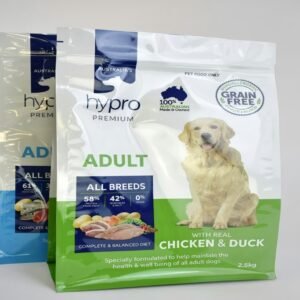
Pet food, especially kibble, treats, and freeze-dried snacks, is highly sensitive to environmental factors such as humidity, light, and air. Poor packaging can lead to staleness, oxidation, or spoilage. Packaging that seals properly, such as resealable pouches or airtight containers, ensures the product maintains its taste and nutritional value over time.
1.2 Safety and Compliance
Pet food packaging must adhere to strict safety and regulatory standards. The materials used should be non-toxic, durable, and safe for direct contact with consumables. Proper labeling, including nutritional facts, feeding instructions, and expiration dates, is crucial for compliance with local and international regulations.
1.3 Branding and Customer Perception
Custom pet food packaging and pet treat packaging can communicate a brand’s identity and values. High-quality, visually appealing packaging increases brand recognition, encourages repeat purchases, and positions the product as premium. Packaging design is often the first point of contact between the customer and the brand.
1.4 Convenience for Pet Owners
Packaging that is easy to use enhances customer satisfaction. Features like resealable zippers, portion-controlled dispensers, and stackable designs simplify feeding routines. Convenient packaging encourages repeat purchases and strengthens brand loyalty.
2. Types of Pet Food Packaging
2.1 Stand-Up Pouches
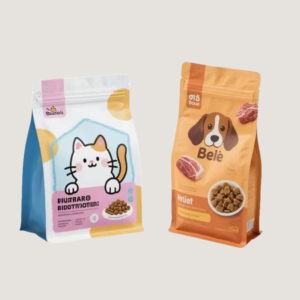
Stand-up pouches are a popular choice for dry kibble and pet treats. They are lightweight, flexible, and can include resealable zippers to maintain freshness.
Key Benefits:
-
Resealable to extend product life
-
Lightweight and cost-effective
-
Customizable with logos, graphics, and color
-
Allows transparent windows for product visibility
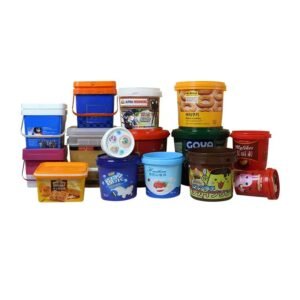
2.2 Rigid Plastic Containers
Rigid plastic containers are durable, reusable, and ideal for premium treats. They can be portioned into compartments to make feeding easier.
Key Benefits:
-
Protects fragile treats
-
Reusable for long-term value
-
Supports premium branding with high-quality finishes
2.3 Cans and Tins
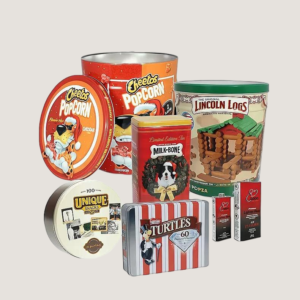
Cans are widely used for wet pet food. They are airtight, extend shelf life, and can be stackable for efficient storage.
Key Benefits:
-
Airtight preservation
-
Long shelf life
-
Easy labeling for branding and nutrition information
2.4 Paper and Kraft Packaging
Eco-friendly kraft boxes and paper pouches appeal to environmentally conscious consumers. They are recyclable and provide a natural, artisanal appearance.
Key Benefits:
-
Sustainable and recyclable
-
Strong and durable for shipping
-
Ideal for natural or organic pet products
2.5 Custom Boxes for Treats
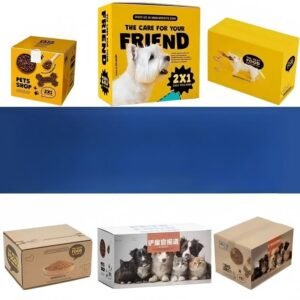
Custom pet treat packaging enhances the unboxing experience and can be used for subscription boxes or gift sets.
Key Benefits:
-
Fully customizable design
-
Can include inserts or compartments
-
Elevates perceived value and brand prestige
3. Key Features to Look for in Pet Food Packaging
3.1 Material Selection
Materials should protect the product while aligning with brand values:
-
Plastic: Durable and resealable
-
Kraft/Paper: Sustainable and lightweight
-
Foil or Laminates: Excellent barrier properties for moisture and air
3.2 Size and Portion Control
Packaging should match product quantity and target audience:
-
Small bags for single-pet households
-
Large bags for multiple pets
-
Portioned compartments for treats
3.3 Freshness and Shelf Life
High-fat or moisture-sensitive products require proper sealing, vacuum packing, or oxygen barriers to prevent spoilage.
3.4 Functional Features
Consider resealable zippers, easy-tear openings, and stackable designs to improve user experience.
3.5 Branding and Graphics
Use colors, fonts, and illustrations that reflect your brand identity. Include clear product information and nutrition facts.
3.6 Sustainability
Eco-conscious packaging options such as compostable, recyclable, or biodegradable materials appeal to modern pet owners and strengthen brand image.
4. Designing Pet Treat Packaging for 2025
4.1 Subscription Boxes
Curated subscription boxes for treats and toys are growing in popularity. Custom packaging enhances the experience and encourages repeat purchases.
4.2 Premium and Luxury Packaging
Rigid boxes, embossed designs, and metallic finishes can position treats as a premium product suitable for gifting.
4.3 Eco-Friendly Design
Minimalist kraft packaging, reusable tins, and biodegradable films reduce environmental impact while appealing to conscious consumers.
4.4 Interactive and Fun Packaging
Designs with playful shapes, collectible boxes, or QR codes linking to training tips and games engage pet owners and encourage social sharing.
5. Regulatory Considerations for Pet Food Packaging
-
Ingredient Labeling: Transparency ensures trust.
-
Nutritional Facts: Provide feeding guidelines and analysis.
-
Expiration Dates: Essential for safety and quality.
-
Certifications: USDA Organic, Grain-Free, or Non-GMO labels enhance credibility.
Compliance with FDA, AAFCO, and EU regulations is critical for global distribution.
6. Marketing Through Pet Food and Pet Treat Packaging
6.1 Personalization
Incorporate pet names or customized messages to improve engagement.
6.2 Storytelling
Use packaging to communicate brand values like sustainability, natural ingredients, or premium quality.
6.3 Seasonal and Limited Editions
Holiday-themed or special-edition packaging can drive sales and encourage gift purchases.
7. Sustainability in Pet Packaging
7.1 Recyclable Materials
Use materials that are easy to recycle and encourage responsible disposal.
7.2 Biodegradable Options
Compostable bags and boxes reduce landfill impact.
7.3 Minimalist Packaging
Reduce material layers while maintaining protection and functionality.
8. Choosing the Right Supplier for Pet Food Packaging
-
Expertise in pet food packaging and pet treat packaging
-
Compliance with safety standards
-
Customization capabilities
-
Quality control and consistent delivery
-
Sustainable material options
9. Conclusion
Choosing the right pet food packaging and pet treat packaging is a strategic decision that impacts product freshness, safety, branding, and customer satisfaction. By considering materials, design, convenience, sustainability, and regulatory compliance, brands can differentiate themselves in a competitive market.
From stand-up pouches and rigid containers to subscription boxes and eco-friendly options, effective packaging can enhance brand loyalty, increase repeat purchases, and improve the overall pet owner experience.
Investing in high-quality, innovative, and sustainable packaging ensures that both pets and their owners receive the best possible experience—today and in 2025.