Table of Contents
- 1. What Are Inserts for Boxes?
- 2. Why Inserts for Boxes Matter for Modern Brands
- 3. Types of Packaging Inserts
- 4. How Inserts for Boxes Improve Business Performance
- 5. Choosing the Right Inserts for Boxes
- 6. Inserts for Boxes Across Industries
- 7. Actionable Tips for Maximizing Inserts for Boxes
- 8. The Future of Packaging Inserts
- Conclusion
In the modern marketplace, packaging is more than a protective shell—it’s an integral part of brand perception, customer experience, and product safety. While many businesses focus on the outer box—its design, printing, or material—the real unsung hero lies inside: inserts for boxes. These internal structures ensure that products stay secure, look professional, and create an unforgettable unboxing experience.
Whether you sell electronics, cosmetics, luxury gifts, or gourmet food, inserts for boxes can significantly improve product presentation, reduce shipping damage, and elevate your brand image. This comprehensive guide explores the types of inserts, materials, applications, industry-specific examples, and tips for choosing the perfect insert to match your products and brand identity.
1. What Are Inserts for Boxes?
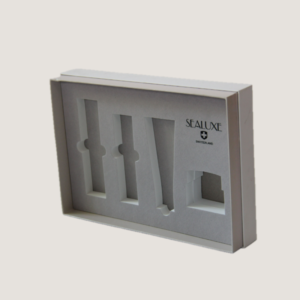
Inserts for boxes are internal structures designed to hold products firmly in place. They prevent movement, provide cushioning, and enhance the visual appeal of the packaging. Well-engineered inserts keep your products safe, aligned, and visually impressive.
Common materials used for inserts for boxes include:
-
Paperboard
-
Corrugated cardboard
-
Molded pulp
-
EPE foam
-
PET or PVC trays
-
Eco-friendly fiber molds
These materials are chosen based on product fragility, environmental considerations, and desired presentation. For example, a high-end jewelry box may use velvet foam inserts, while a reusable shipping box for electronics may include molded pulp or EVA foam for shock absorption.
2. Why Inserts for Boxes Matter for Modern Brands
2.1 Superior Product Protection
Shipping and logistics expose products to shocks, compression, and rough handling. Without inserts for boxes, items are prone to scratches, breakage, or displacement.
Benefits include:
-
Stabilizes fragile items
-
Absorbs shock and vibration
-
Separates multiple components
-
Reduces returns and damages
Case Study: A cosmetic brand reported a 30% decrease in product breakage after switching to custom foam inserts for boxes for their glass bottles.
2.2 Enhancing the Unboxing Experience
The moment a customer opens a package can define their perception of your brand. Inserts for boxes arrange products neatly, create layered presentations, and provide a “wow” factor.
-
Symmetric and organized layout
-
Luxury-style layers
-
Highlight key products
-
Clean and clutter-free interiors
Example: Subscription box services often use die-cut cardboard or molded pulp inserts to separate items. This not only protects products but creates a premium feel that customers share on social media, boosting brand visibility.
2.3 Strengthening Brand Identity
Inserts for boxes are more than functional—they can serve as an extension of your brand. Custom inserts can include:
-
Logos and brand patterns
-
QR codes linking to product info
-
Promotional messages or vouchers
-
Unique textures or finishes
Such attention to detail reinforces brand consistency and creates a memorable customer experience.
2.4 Cost Efficiency and Reduced Waste
Contrary to common belief, inserts for boxes can reduce overall costs:
-
Optimized inserts reduce the need for excess filler
-
Properly sized inserts allow smaller outer boxes
-
Reduced shipping damage lowers replacement and refund costs
-
Streamlined packing speeds up fulfillment
Example: An electronics retailer implemented molded pulp inserts for shipping small devices. This allowed them to use smaller boxes and reduced shipping volume, saving thousands annually in freight costs.
2.5 Eco-Friendly Inserts
Sustainability is no longer optional. Modern consumers expect brands to adopt eco-conscious practices. Eco-friendly inserts for boxes include:
-
Kraft paper inserts
-
Die-cut cardboard
-
Molded pulp trays
-
Compostable fiber inserts
These materials are fully recyclable or biodegradable while maintaining product protection and premium presentation.
3. Types of Packaging Inserts
3.1 Paperboard Inserts
-
Lightweight and printable
-
Cost-effective
-
Ideal for cosmetics, skincare, light electronics
-
Highly customizable shapes and multi-layer designs
Tip: Use paperboard inserts with compartments for bundled products or subscription kits.
3.2 Corrugated Inserts
-
Thick and shock-resistant
-
Best for heavy or fragile items
-
Suitable for glass bottles, industrial goods, and food packaging
Case Example: A gourmet chocolate brand uses corrugated inserts for boxes to prevent breakage during long-distance shipping.
3.3 Foam Inserts (EVA / EPE / PU)
-
Premium feel and maximum protection
-
Ideal for jewelry, electronics, tools, and luxury gifts
-
Can be precision-cut for snug fits
Example: High-end watch brands often use foam inserts to display watches at an angle, providing protection and elegance simultaneously.
3.4 Molded Pulp Inserts
-
Made from recycled paper fibers
-
Biodegradable and eco-friendly
-
Perfect for glass bottles, ceramics, or eco-conscious brands
Case Study: A sustainable skincare brand replaced plastic trays with molded pulp inserts for boxes, reducing their plastic footprint by 80% while maintaining product safety.
3.5 Plastic Trays (PET / PVC / PP)
-
Used for retail displays or multi-item kits
-
Transparent to showcase products
-
Still relevant in some consumer electronics and toys
Tip: For eco-conscious brands, replace plastic trays with paper-based alternatives to enhance sustainability.
4. How Inserts for Boxes Improve Business Performance
4.1 Increasing Product Perceived Value
When products are organized and presented with care, customers perceive higher value. Inserts for boxes add:
-
Clean, professional organization
-
Visual symmetry
-
Luxury unboxing experience
4.2 Reducing Shipping Risks
By securing products in place, inserts for boxes lower the chance of damage during logistics. This leads to:
-
Fewer replacements and refunds
-
Improved customer satisfaction
-
Enhanced reputation and reviews
4.3 Streamlining Packing Operations
Pre-cut and pre-shaped inserts simplify packing:
-
Faster assembly
-
Consistent presentation
-
Reduced labor costs
-
Suitable for automation
4.4 Sustainability as a Marketing Tool
Eco-friendly inserts for boxes communicate your brand’s commitment to the environment. This boosts loyalty among environmentally conscious consumers and supports marketing campaigns highlighting sustainability.
5. Choosing the Right Inserts for Boxes
Step 1: Analyze Product Fragility
-
Fragile: foam or molded pulp
-
Light: paperboard or corrugated
Step 2: Evaluate Branding Needs
-
Printed inserts for high brand visibility
-
Plain inserts for minimalist, eco-conscious designs
Step 3: Consider Sustainability Goals
-
Use recyclable or biodegradable materials
-
Optimize design to minimize waste
Step 4: Align with Unboxing Experience
-
Layered inserts for luxury
-
Single-compartment inserts for functional packaging
Step 5: Optimize Cost & Production
-
Bulk production reduces per-unit cost
-
Standardized inserts streamline logistics
6. Inserts for Boxes Across Industries
-
Cosmetics & Beauty: Bottle stabilizers, multi-slot trays, palette holders
-
Electronics: Device compartments, cable trays, protective foam layers
-
Food & Beverage: Bottle separators, snack carriers, pulp trays
-
Luxury & Gift Products: Velvet foam, multi-layer inserts, customized colors
-
Jewelry: Soft foam, velvet-wrapped trays, precision cavities
7. Actionable Tips for Maximizing Inserts for Boxes
-
Match insert material to product weight and fragility
-
Optimize space to reduce shipping costs
-
Brand inserts with logos or messaging for consistent identity
-
Use eco-friendly materials to appeal to conscious consumers
-
Test inserts with sample shipments to ensure protection
Example: A tea subscription box uses layered cardboard inserts for each product. This reduces breakage, enhances unboxing, and allows for a branded presentation.
8. The Future of Packaging Inserts
-
AI-driven engineering for optimized protection
-
Multi-material hybrid inserts for strength and aesthetics
-
3D-cut designs for precise product fitting
-
Compostable luxury inserts for high-end eco-conscious brands
Inserts for boxes will continue evolving, combining protection, branding, and sustainability in one solution.
Conclusion
Inserts for boxes are no longer optional—they are essential for modern brands. From protecting fragile items to creating a premium unboxing experience and reinforcing brand identity, inserts enhance every aspect of your packaging strategy.
Investing in high-quality, eco-friendly, and customized inserts for boxes:
-
Reduces damage and returns
-
Elevates perceived product value
-
Streamlines packing operations
-
Strengthens brand loyalty
-
Supports sustainable business practices
Whether your business sells cosmetics, electronics, gourmet products, or luxury gifts, selecting the right inserts for boxes is one of the smartest investments you can make. Start integrating well-designed inserts today and transform every package into a memorable brand experience.