Table of Contents
- 1. What is Coated Kraft Refrigerated or Frozen Packaging?
- 2. Benefits of Coated Kraft for Refrigerated or Frozen Products
- 3. Key Design Considerations
- 4. Materials and Coating Types
- 5. Applications in Food & Beverage Industry
- 6. Advantages for Retailers and Brands
- 7. Sustainability Considerations
- 8. Design Innovations for Coated Kraft Refrigerated or Frozen Packaging
- 9. Case Studies
- 10. Choosing the Right Manufacturer
- Conclusion
In the modern food and beverage industry, the demand for eco-friendly and high-performance packaging has never been higher. As consumers increasingly value sustainability alongside convenience and safety, businesses are seeking packaging solutions that combine durability, functionality, and environmental responsibility. One material that has proven to be highly effective is coated kraft paperboard, especially for refrigerated or frozen products.
This blog explores the advantages, materials, design considerations, and applications of coated kraft refrigerated or frozen packaging, providing a comprehensive guide for brands looking to upgrade their packaging strategy.
1. What is Coated Kraft Refrigerated or Frozen Packaging?
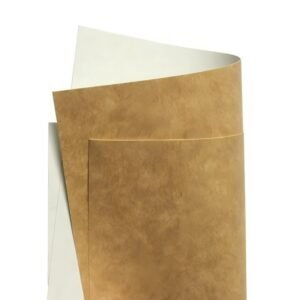
Coated kraft packaging refers to kraft paperboard that has been treated with a food-safe coating to improve moisture resistance, durability, and printability. This coating allows the kraft material to withstand cold, wet, and freezing conditions, making it suitable for refrigerated or frozen products.
Unlike standard kraft paper, coated kraft combines the strength of natural fibers with the protective benefits of a thin coating. It is ideal for a wide range of products, including:
-
Dairy products such as milk, yogurt, and cheese
-
Frozen meals and ready-to-eat dishes
-
Beverages requiring chilled storage
-
Frozen desserts such as ice cream and sorbets
-
Frozen seafood, meats, and prepared foods
2. Benefits of Coated Kraft for Refrigerated or Frozen Products
2.1 Durability and Strength
Kraft paperboard is naturally strong and rigid. The coated surface adds a layer of protection, making boxes resistant to moisture, condensation, and tearing—common challenges in refrigerated and frozen environments.
2.2 Food Safety Compliance
Coatings applied to kraft packaging are food-safe and FDA-approved, ensuring they are suitable for direct or indirect contact with consumables.
2.3 Eco-Friendly and Sustainable
Coated kraft paperboard is usually recyclable and made from renewable resources. Brands can demonstrate commitment to sustainability without compromising the functional needs of cold storage or frozen products.
2.4 Excellent Printability
The coating allows for high-quality printing, making it possible to display logos, nutritional information, promotional graphics, and vibrant designs, even on packaging exposed to moisture.
2.5 Versatility
Coated kraft refrigerated or frozen packaging can be manufactured in multiple styles, including:
-
Folding cartons
-
Tray-style boxes
-
Carry-and-display boxes
-
Sleeve-style packaging
-
Multi-pack cartons
This versatility makes it suitable for retail, delivery, and promotional purposes.
3. Key Design Considerations
When designing coated kraft refrigerated or frozen packaging, brands should consider the following:
3.1 Moisture Resistance
Freezing and refrigeration can create condensation. The coating ensures the box retains its shape and integrity, preventing soggy surfaces or weakened structures.
3.2 Temperature Tolerance
Packaging must withstand low temperatures without cracking, curling, or delaminating. Selecting the right coating and board thickness is critical.
3.3 Product Protection
For fragile items like frozen desserts or glass bottled beverages, the internal structure is key. Inserts, partitions, or dividers can keep products stable during transportation and storage.
3.4 Sustainability Goals
Eco-conscious brands often require recyclable or compostable coatings. Selecting water-based or biodegradable coatings enhances sustainability credentials.
3.5 Branding and Print Design
The coated surface supports sharp, high-quality printing for logos, product information, and marketing designs. This is especially important for refrigerated or frozen foods where clear labeling is essential for consumers.
4. Materials and Coating Types
4.1 Paperboard Core
Most coated kraft refrigerated or frozen boxes are made from high-strength kraft paperboard (often 250–400 gsm) to handle cold and wet conditions.
4.2 Coatings
-
Polyethylene (PE) Coating: Provides excellent moisture resistance, ideal for refrigerated and frozen storage.
-
Water-Based Coating: Eco-friendly alternative to PE; provides moderate moisture resistance and recyclability.
-
Wax Coating: Traditional method for frozen foods; less common today due to recycling challenges.
The choice of coating affects durability, recyclability, and print quality.
5. Applications in Food & Beverage Industry
5.1 Dairy Products
Milk cartons, yogurt boxes, and cheese packaging benefit from coated kraft packaging due to moisture and cold resistance. Custom printing enhances brand visibility.
5.2 Frozen Foods
Ready-to-eat meals, frozen vegetables, and seafood are often packed in coated kraft boxes to prevent damage during freezing, transport, and retail display.
5.3 Frozen Beverages and Desserts
Ice cream, frozen juices, and beverage concentrates require packaging that can handle low temperatures without warping or losing integrity.
5.4 Multi-Pack Retail Displays
Coated kraft carry-and-display boxes allow chilled or frozen products to be displayed on shelves while ensuring safe handling and high visibility for consumers.
6. Advantages for Retailers and Brands
-
Shelf Appeal: Vibrant printing and structural design attract attention in refrigerated sections.
-
Cost Efficiency: Lightweight and stackable designs reduce shipping and storage costs.
-
Reduced Product Loss: Strong, moisture-resistant packaging minimizes breakage and spoilage.
-
Sustainability Marketing: Eco-friendly packaging supports CSR initiatives and appeals to environmentally conscious consumers.
7. Sustainability Considerations
Brands increasingly prefer coated kraft because it:
-
Uses renewable resources (wood pulp from sustainable forests)
-
Is recyclable or compostable depending on coating choice
-
Reduces reliance on plastic packaging
-
Supports corporate sustainability targets
Choosing water-based coatings or recyclable PE coatings ensures that the packaging aligns with environmental goals.
8. Design Innovations for Coated Kraft Refrigerated or Frozen Packaging
8.1 Window Cut-Outs
Plastic-free windows made from cellulose films allow consumers to see the product inside while maintaining recyclability.
8.2 Multi-Pack Configurations
Custom inserts hold multiple products securely, suitable for beverage six-packs or frozen snack bundles.
8.3 Carry Handles
Integrated carry handles improve portability for customers picking up chilled beverages or frozen foods.
8.4 Stackable and Collapsible Designs
Optimized for retail shelves, these designs allow easy stacking and reduce storage space during shipment.
8.5 High-Quality Printing & Finishes
-
Matte or gloss finishes for a premium look
-
Spot UV or foil stamping for brand differentiation
-
Bright, moisture-resistant inks for refrigerated environments
9. Case Studies
Example 1: Frozen Desserts Brand
A premium ice cream brand switched to coated kraft boxes with PE coating. Results: 25% reduction in product damage, improved shelf appearance, and 15% increase in retail sales due to enhanced branding.
Example 2: Dairy Beverage Company
Custom coated kraft cartons with carry handles allowed the brand to offer chilled drinks in eco-friendly packaging, improving customer perception and sustainability scores.
10. Choosing the Right Manufacturer
When sourcing coated kraft refrigerated or frozen packaging, consider:
-
Expertise in food-safe coatings
-
Custom structural design and inserts
-
Printing capabilities for vibrant branding
-
Sustainability practices (recyclable and biodegradable options)
-
Fast production and reliable delivery
Partnering with the right manufacturer ensures packaging is functional, durable, and visually appealing.
Conclusion
Coated kraft refrigerated or frozen packaging offers the perfect balance of durability, sustainability, and branding potential. From frozen meals and beverages to dairy products and desserts, this type of packaging ensures products remain safe, visible, and appealing to consumers. By combining high-quality materials, moisture-resistant coatings, and customizable designs, brands can deliver products that meet both functional needs and environmental expectations.
In an industry where sustainability, protection, and shelf appeal are critical, coated kraft packaging for refrigerated or frozen products is no longer optional—it is a strategic necessity for modern brands seeking long-term success.